

A Season Is Not a Content Calendar
Under Armour’s We Love Football brings several levels of the game under one platform. The brand question is not how much content a season can hold, but what makes its chapters belong together.
DUĒLL Journal ·
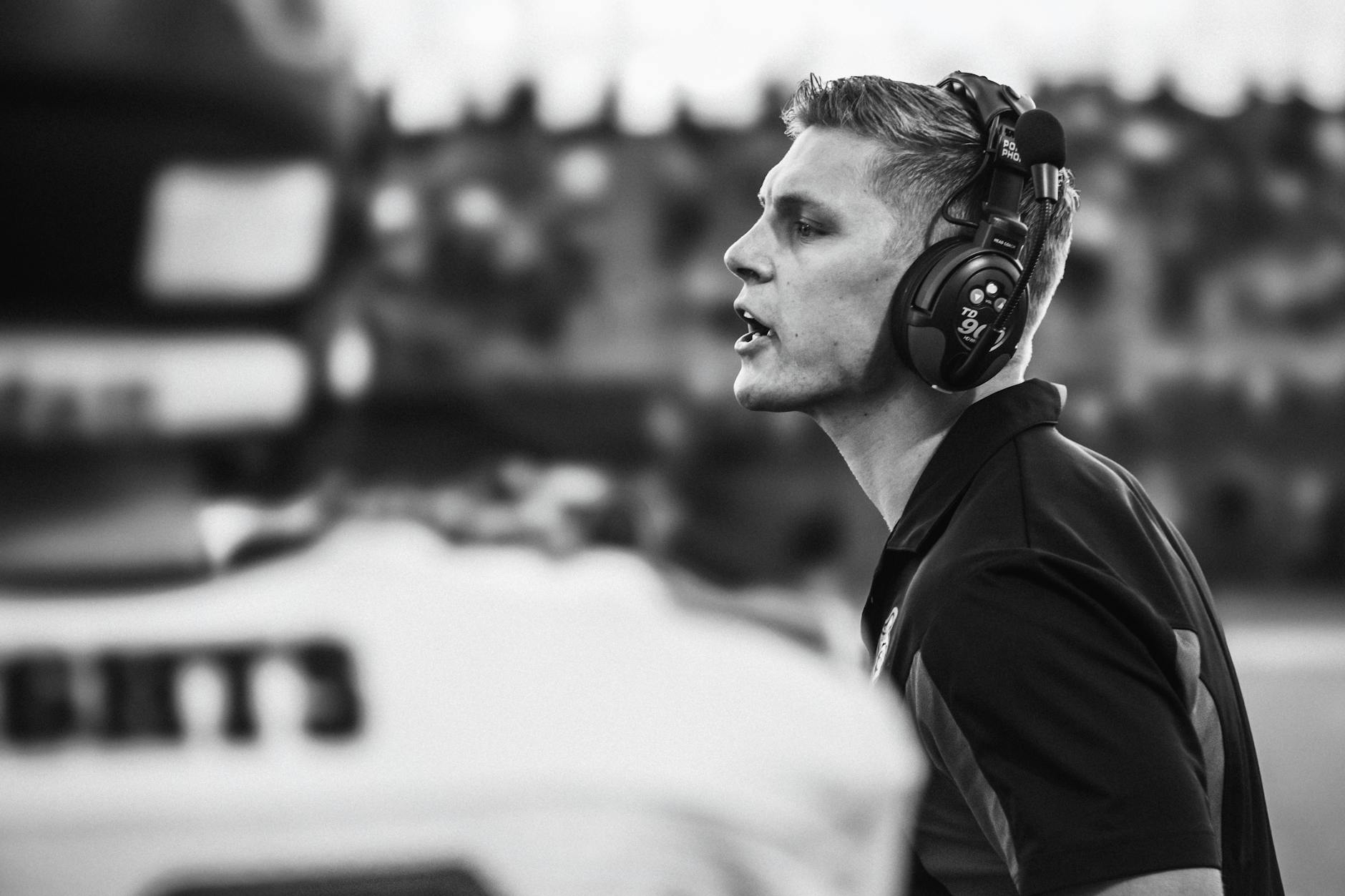
Tim Mossholder / Pexels — Pexels License
A season gives a brand plenty of reasons to publish. It does not automatically give anyone a reason to follow. That distinction matters when a campaign stretches beyond a launch film into an ongoing content platform. More fixtures can mean more posts. More athletes can mean more faces. Neither guarantees a coherent story. The harder creative job is to make each instalment worth someone’s attention while giving the whole thing a recognisable point of view.
One game, several worlds
Under Armour describes We Love Football as a season-long content platform celebrating the sport where the brand began. Its announcement brings high school programmes, college football, the NFL and flag football into the same frame, with athletes, coaches and fans connected through the game.
That is the interesting part of the brief. Not simply the duration, but the range of football worlds it intends to hold together.
The announcement establishes the proposition. It does not establish whether audiences will move between those worlds, whether the content will sustain attention or whether the platform will produce commercial returns. Those remain questions, not results.
Still, the structure offers a useful strategic test: can a brand speak about a whole sport without flattening its different cultures into one generic expression of passion?
A school programme and an NFL setting should not have to tell the same story to belong to the same platform. Nor should flag football exist merely as an extra category in a presentation. The creative opportunity is to give each setting a distinct role while keeping the brand’s central idea legible.

Francesco Paggiaro / Pexels — Pexels License
Build chapters, not repetitions
A season-long brand platform needs an editorial premise before it needs a publishing schedule. What question will the audience return to? What can the next chapter reveal that the previous one could not?
For a football platform, that might mean exploring preparation through a coach’s perspective, decision-making through an athlete’s experience, and belonging through fans. These are possible editorial approaches, not descriptions of Under Armour’s announced execution. The point is to build variation into the idea rather than depend on a change of location or talent to make familiar content feel new.
A platform earns its length when every chapter adds something the opening could not say.
Brands should distinguish consistency from repetition. Consistency means a clear perspective survives changes in format, setting and participant. Repetition means everyone is asked to deliver another version of the same message.
That distinction also helps answer how companies should use athletes as brand ambassadors. Give them a defined contribution to the story, not responsibility for carrying the entire brand proposition. An athlete can explain a particular experience. A coach can offer another perspective. The editorial structure should connect those contributions without making their voices interchangeable.
Sports communities matter here because they give the story specific people, practices and stakes. Treating them only as distribution audiences misses their editorial value. Ask what a community wants represented accurately, not just what it might share.
The publishing plan needs a rights plan
There is another side to the season-long idea: the machinery that allows it to run.
Athlinq’s brand offering describes athlete partnerships as a workflow covering discovery, briefs, content approval, contracts and payments. Its explanation of why sport differs from general creator marketing identifies club and league approvals, competing sponsor categories, match-day restrictions, seasonal timing and agent sign-off.
These are the details a creative platform must accommodate, not discover after commissioning its next chapter.
A useful planning document should therefore connect each proposed story to its participant, permissions, delivery window and intended use. Who can approve it? Where can it appear? What happens if the planned moment becomes unavailable? Those questions belong beside the creative treatment.
Athlinq also lists deliverable completion, reach and engagement among its reporting features. Such measures can help describe campaign delivery and response. They should not be treated as automatic proof that a broader brand narrative is working.
At DUĒLL, we see the editorial and operational briefs as one piece of brand building. A strong idea needs room for the sport’s realities. A clean approval process still needs something worth approving.
What it means
For brands, the takeaway is to commission a season with a clear organising idea, distinct chapters and a measurement plan tied to the actual objective. Do not confuse the ability to keep publishing with a reason to do so.
For clubs, make approval responsibilities and sponsor restrictions visible during development. That gives creative teams a usable brief rather than a late-stage obstacle.
For athletes, agree both the contribution and its boundaries: the subject, deliverables, usage rights and timing. A recurring role should have a purpose beyond repeated availability.
For communities, ask for specificity. Which part of their experience does the platform intend to understand, and what space will they have to shape its portrayal?
The business opportunity is not simply to occupy a season. It is to build a brand idea broad enough to travel through the sport, and precise enough to mean something wherever it lands.
More from the Journal

Brands · 30 October 2026
Padel Brands Need to Make Choice Easier
Padel equipment has a market headline. Players still need a useful answer. For brands, the opportunity is to turn product visibility into confident choices—not another ranking.

Brands · 20 October 2026
Cast the Sport, Not Just the Look
A sports campaign can look immaculate and still feel wrong. For brands, better casting starts with sporting fluency—not a moodboard.

Brands · 14 October 2026
Sponsorship Is Not a Character Reference
Sport can give a brand visibility, emotion and cultural context. It cannot make the business credible on its behalf. The next sponsorship brief should start with what a company can actually stand behind.