

Padel Needs a Second Act
Getting people onto a padel court is one proposition. Giving them somewhere to go next is another. For brands and operators, progression should be the real brief.
DUĒLL Journal ·
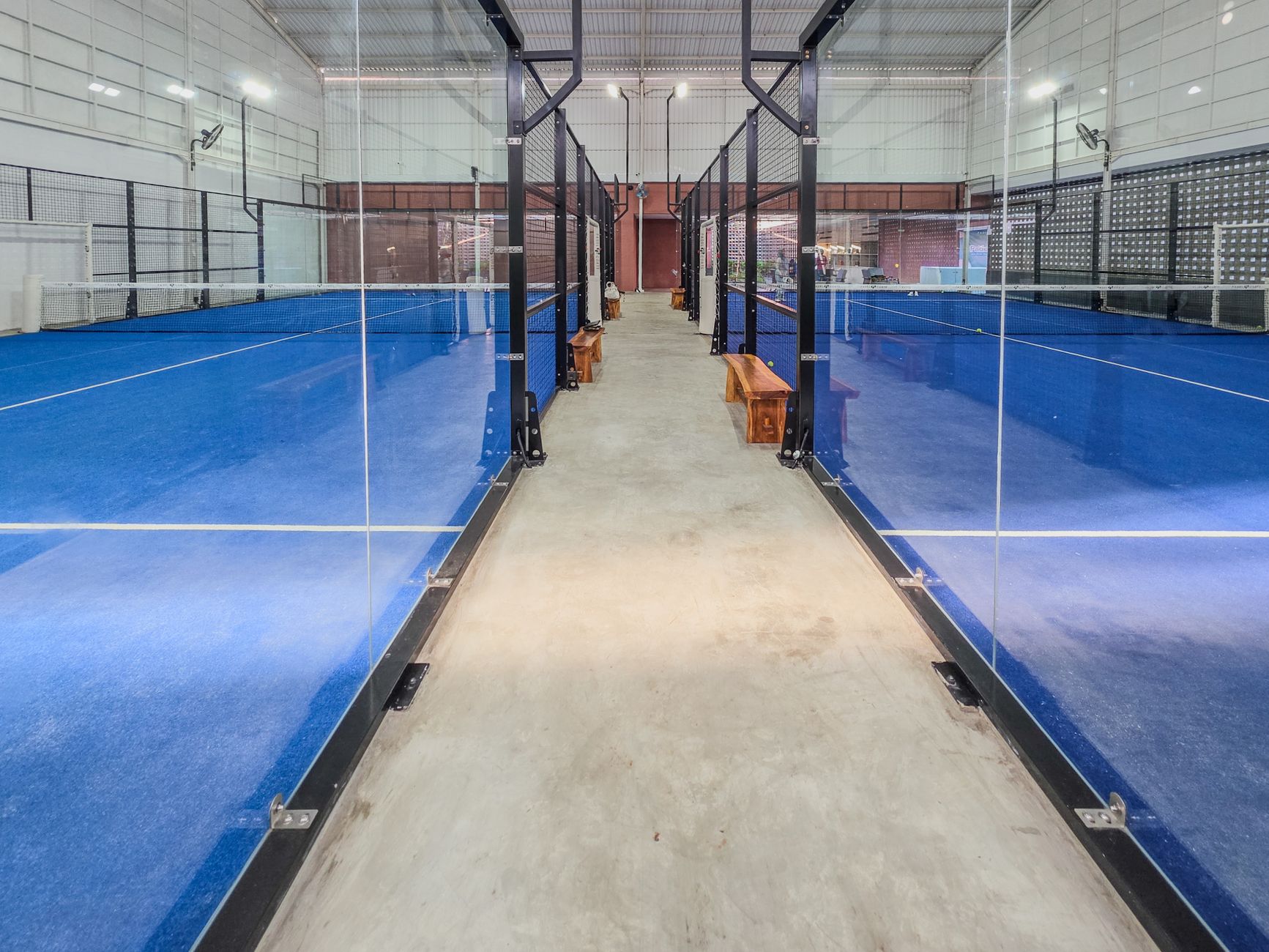
N Sopyan / Pexels — Pexels License
Padel has an easy opening pitch: a smaller court, an underarm serve, four players and glass walls that are part of the game. The invitation feels less like a technical examination than a reason to play. But an attractive introduction is not a complete sports proposition. Once someone has tried it, what are they being invited to become? That is the more interesting question for the clubs, brands and professionals building around padel. Not whether the sport can attract attention. Whether its next chapter can offer more than another first session.
The growth story is only the opening
Mondo Worldwide, citing the International Padel Federation’s World Padel Report 2025, reports more than 35 million players across 150 nations. That is a substantial footprint. It also makes the idea of padel as a small, undiscovered pastime difficult to sustain.
The same article identifies an accessible learning curve as part of the sport’s appeal. Underarm serves, a shorter court and a solid, stringless racket help make an initial encounter manageable. The walls introduce another way to keep a rally alive. The important editorial point is not that padel demands no skill. It is that the sport can offer a satisfying experience before a player has acquired much of it.
For a business entering padel, that distinction should shape the brief. Accessibility is an introduction, not the whole identity. A brand that treats the sport exclusively as easy, casual fun risks having little to say when players want to take it seriously.
The opportunity is to support that transition without making seriousness feel compulsory. Some people will want better technique. Others will want a regular social match. A credible offer should leave room for both.

Anhelina Vasylyk / Pexels — Pexels License
Build the next challenge, not just the first visit
What should a padel operator invest in beyond the court? A clear route through the experience: an introduction, an understandable next challenge and a way to choose the right level of play.
That is a recommendation, not a claim that every venue lacks one. The practical test is simple. Can a player finishing a first session understand what to book next, who it is for and what they might learn? If the answer requires decoding an unfamiliar hierarchy of lessons and competitions, the next step needs better design.
Progression need not mean a relentless push towards competition. It could mean a coached session on using the glass, a practice format organised around one skill, or a match with people at a comparable level. These are possible programme choices, not evidence of existing market-wide practice.
They also create a more useful sponsorship proposition. Rather than purchasing a presence around an introductory event, a partner could help fund a sequence of coached sessions. The deliverable becomes a defined opportunity to improve. Branding can accompany it without becoming the reason it exists.
The first game opens the door. The next challenge gives the sport depth.
For evaluation, operators and partners should ask whether participants move into another suitable session, how they describe their confidence and whether the programme remains relevant as they improve. Those questions are more informative for this brief than photographs of a busy opening alone.
Give expertise a visible role
An accessible sport still deserves skilled explanation. Coaches and experienced players should not disappear behind a visual identity built entirely around leisure.
How should brands work with athletes in padel? Start with a specific learning objective rather than an abstract instruction to generate excitement. Ask what the athlete can help participants understand: positioning, shot selection or how to think about the walls. Then build the session or content around that contribution, with a clearly agreed scope and appropriate compensation.
This is not an argument that every professional player should become a coach. Playing expertise and teaching responsibilities should be distinguished. Where an athlete appearance is involved, a qualified coaching team can provide continuity before and after it.
At DUĒLL, we see progression as a useful connection between sports expertise, live experiences and brand building. It gives each participant a clear role: the professional contributes knowledge, the operator structures the experience, and the partner enables something players can actually use.
The creative work can follow that substance. Show the decisions inside a rally. Explain a difficult shot without pretending it is effortless. Let improvement, rather than permanent beginnerhood, become part of the sport’s public image.
What it means
For brands, the recommendation is to sponsor a meaningful next step, not simply associate with a growing category. Specify the player need, the expertise required and the experience being funded before deciding where the logo goes.
For clubs, make progression legible while preserving casual play. A player should be able to pursue greater competence without being pushed into a competitive identity they never asked for.
For athletes and coaches, insist on a defined contribution. Expertise deserves a brief, preparation and payment, not a vague request to bring credibility to the room.
For communities, leave room for different ambitions. The person learning to use the glass and the person organising a relaxed weekly match both belong in the picture. Padel’s next act should not be about making everyone more serious. It should be about giving people somewhere worthwhile to go.
More from the Journal

Sports · 1 November 2026
Padel: A Ranking Is Not a Roadmap
The FIP Promises Continental Finals give junior padel a new destination across four continents. The harder task is making the route there understandable—and worth supporting.

Sports · 27 October 2026
Padel: One Global Map. Different Local Games.
Europe holds 62.5% of padel courts, but Asia now leads on new club openings. From mature Spain to fast-building Indonesia, the next opportunity depends on knowing what each market actually needs.
Sports · 22 October 2026
A New League Needs a Reason
The debate around NBA Europe asks a harder question than who can build the bigger competition: what would a new league actually improve? For sports businesses, the answer should come before the launch.