

Sport Needs a Longer Memory
New cars, new identities, new eras. Sport knows how to announce change. The harder commercial question is what deserves to stay.
DUĒLL Journal ·
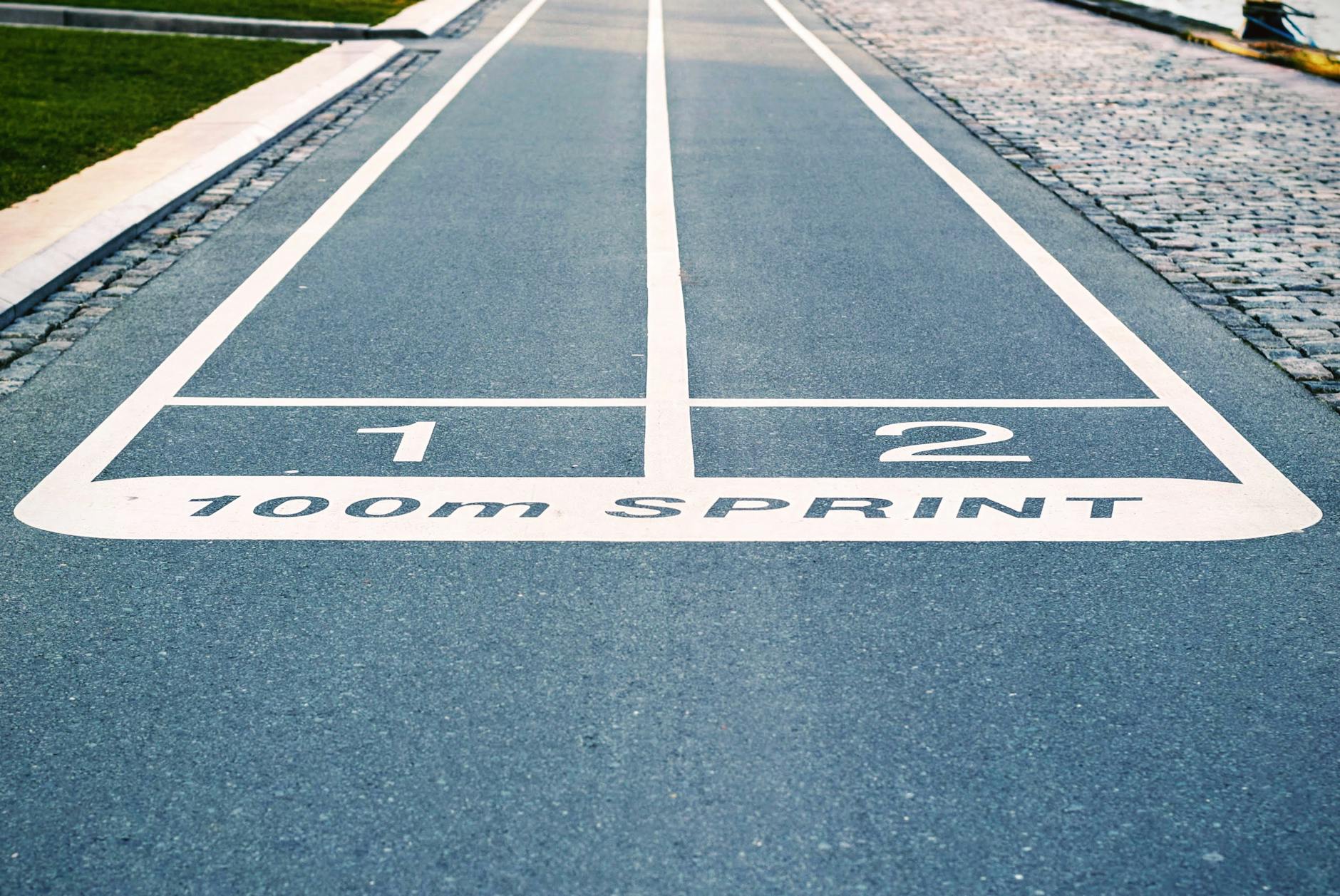
Tim Gouw / Pexels — Pexels License
Sport loves a new era. It gives everyone something to announce: a different look, a fresh proposition, another reason to pay attention. But a brand cannot become recognisable if every chapter arrives pretending the previous one never happened. The more interesting question is not how often sport can reinvent itself. It is how to change without throwing away the things people have learned to care about. For anyone building a sports property, an athlete’s identity or a commercial partnership, continuity deserves a place in the creative brief.
Two clocks, one sport
Two items on Motorsport Prospects’ business page offer a useful contrast. One reports that Formula E is preparing for a new era with new cars, new teams and new tracks. Another reports that the ACO and FIA have announced a ten-year WEC partnership deal.
These are different announcements about different organisations. They are not competing strategies, and neither summary tells us how the commercial details will work. But together they suggest a productive way to think about sports brands: the clock that measures visible change, and the clock that measures institutional commitment.
The first creates a reason to look again. The second establishes a horizon over which something can develop. A new car can make the next chapter tangible. A long organisational agreement can make it possible to think beyond the next chapter, even if its duration alone guarantees nothing about execution.
For brands evaluating sport, the useful question is therefore not simply, “What is new?” Ask, “What will remain recognisable while the property changes?” That might be a sporting principle, an editorial voice or a way of welcoming people. These are proposed criteria, not claims about either championship. They belong in the assessment because novelty and identity perform different jobs.

Jan van der Wolf / Pexels — Pexels License
Keep the code. Change the expression.
Continuity is not an argument for keeping every logo, format or partnership untouched. It is an argument for deciding what each change is supposed to preserve.
A practical brand brief should separate enduring codes from flexible expressions. The enduring layer defines what the property stands for and how it behaves. The flexible layer covers the campaign, the imagery, the event treatment and the particular story being told. Confuse the two and a seasonal refresh can become an accidental change of character.
For an athlete, that means choosing ambassador partnerships around a credible, repeatable point of view rather than inventing a new personality for each assignment. A company asking how to use athletes as brand ambassadors should start here: agree on the role the athlete can honestly sustain, then create different expressions of that role. Consistency should not require someone to perform a frozen version of themselves.
For a club or event, the equivalent question is what a returning supporter should recognise immediately, even when the setting or presentation changes. The answer need not be visual. It could be the tone of the welcome or the prominence given to the competition itself.
Change gives people something to notice. Continuity gives them something to recognise.
The creative task is not to repeat the same execution. It is to make different executions feel like they belong to the same world.
Write the second chapter first
Before approving a launch, write a short description of its second chapter. What would the partnership do after the introduction? Which idea could deepen? What would returning participants understand that newcomers are only beginning to discover?
This is a planning exercise, not a demand for longer contracts at any cost. A ten-year agreement and a ten-year idea are not the same thing. Duration is a condition; coherence is work.
At DUĒLL, we see continuity as a useful test of sports brand strategy: can the idea develop without needing a replacement identity every time it returns?
Build that test into the brief. Define what should remain stable, what can evolve and what evidence would justify a larger change. Assess immediate response separately from recognition over time. Neither should be allowed to stand in for the other.
Communities matter in this process because they offer a place to ask whether the intended identity is actually legible. Rather than treating regular participants as proof that everything works, invite them to identify what feels distinctive, what feels interchangeable and what they would miss. Their answers should inform creative judgement, not replace it.
What it means
For brands, evaluate a sports partnership as a sequence, not just an announcement. Ask for a credible next chapter before buying the first. For clubs and rights holders, specify the identity that commercial partners should strengthen rather than repeatedly overwrite.
For athletes, protect room to grow while keeping a clear thread between partnerships. For communities, the useful promise is not that nothing will change, but that participation will help inform what is worth carrying forward.
None of this requires rejecting the new. It requires giving the new a relationship with what came before. Sport can announce another era whenever it has a good reason. A stronger brand gives people a reason to follow it across the boundary.
More from the Journal

Sports · 1 November 2026
Padel: A Ranking Is Not a Roadmap
The FIP Promises Continental Finals give junior padel a new destination across four continents. The harder task is making the route there understandable—and worth supporting.

Sports · 27 October 2026
Padel: One Global Map. Different Local Games.
Europe holds 62.5% of padel courts, but Asia now leads on new club openings. From mature Spain to fast-building Indonesia, the next opportunity depends on knowing what each market actually needs.

Sports · 22 October 2026
A New League Needs a Reason
The debate around NBA Europe asks a harder question than who can build the bigger competition: what would a new league actually improve? For sports businesses, the answer should come before the launch.