

The Best Activation Might Not Feel Like One
Before asking what an audience will do for a sponsor, ask what the sponsor will do for the audience. A case for useful, low-friction brand experiences at sports events.
DUĒLL Journal ·

Soner Arkan / Pexels — Pexels License
A sponsor does not have to become the main character of someone else’s day. At a sports event, that should be a creative principle, not a concession. People have a race to watch, friends to find, a competition to finish. The interesting brand question is not how to pull them away from that experience. It is how to make the experience work better—and whether a company is prepared to be useful without demanding a performance in return.
Start with the need, not the installation
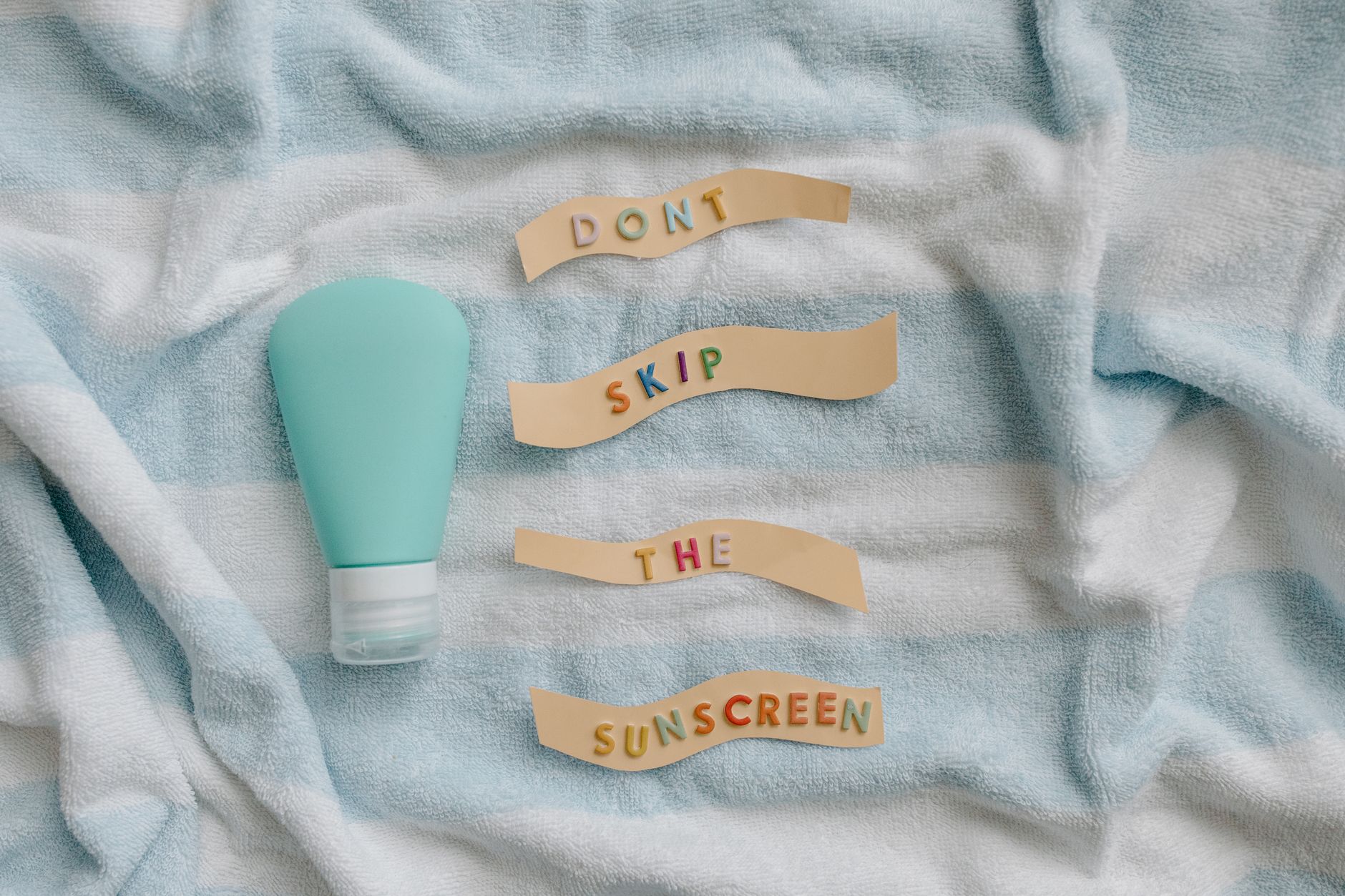
BrightGuard’s live-events offer provides a specific example: free sunscreen distributed through branded stations at outdoor events. Its programme covers settings including races, motorsports, festivals and waterfront events. The company says it handles design, branding, delivery and operation through final load-out.
The proposition is straightforward. Someone spending time outdoors needs sunscreen. A sponsor makes it available. The interaction has a purpose before it has a marketing objective.
On its events page, BrightGuard shows branded sunscreen installations at settings including Sonoma Raceway and BottleRock. These are examples presented by the supplier, not independent evidence of brand lift or commercial return. That distinction matters. A photograph of somebody using a station demonstrates a use case. It does not establish loyalty, purchase intent or a successful sponsorship strategy.
Still, the format offers a useful creative starting point. Rather than inventing a branded activity and then persuading people to participate, identify an existing need and decide whether the sponsor can meet it credibly.
For companies asking how to build a sports-event activation, start there: choose a real audience need, provide a proportionate service, and make the brand’s role clear without making access unnecessarily complicated.
Tara Winstead / Pexels — Pexels License
Do not turn help into homework
The difficult part is resisting the urge to add more.
Imagine a useful service wrapped in a compulsory registration, a social post, a product pitch and a queue for a photograph. Each requirement might have an internal rationale. Together, they risk changing the offer from assistance into an exchange the guest never wanted to negotiate.
This is a design warning, not a claim about BrightGuard’s programme. The broader principle is that an activation should be evaluated from the participant’s side of the counter. What must someone understand? What must they surrender? How long does it take to get back to the event?
A useful sponsor gives people more of their day, not another task to complete.
Voluntary interaction is a better starting brief than compulsory participation. Keep essential instructions visible. Separate optional marketing consent from the service wherever possible. Let somebody accept the help without having to become content.
The same discipline should shape athlete involvement. If an athlete is part of the activation, give them a relevant role: explaining the offer, demonstrating its use where appropriate, or directing attention towards it. Do not treat their presence as a reason to turn a simple service into an obstacle course. An ambassador should clarify why the brand belongs, not compensate for an idea that does not.
Measure the service before the spectacle
Useful sponsorship still needs commercial scrutiny. Being helpful is a proposition to test, not an exemption from accountability.
BrightGuard describes its stations as visible, useful and interactive. Those are distinct qualities. A large branded surface can be visible without being used. A service can be used without its sponsor being remembered. A physical interaction can happen without producing a meaningful change in brand perception.
Build the evaluation accordingly. Ask operational questions first: was the service available when needed, could people find it, and was it maintained throughout the event? Then assess the experience through appropriate feedback. Was it easy to use? Did participants understand who provided it? Did the branding feel proportionate?
Finally, test the commercial objective separately. If the goal is sponsor recognition, measure recognition. If the goal is a change in perception, investigate that change rather than treating every interaction as proof of affection.
At DUĒLL, we see the creative brief and the operating brief as inseparable here. Placement, staffing, replenishment and clear responsibilities belong in the brand conversation. A polished concept cannot substitute for a service that works when the crowd arrives.
What it means
For brands, the opportunity is to earn a specific role rather than claim general relevance. Fund something the audience can use, keep the exchange legible, and agree what success means before production begins.
For clubs and event organisers, sell the ability to improve the spectator or participant experience—not just the right to occupy space. Set service standards alongside visual guidelines. Decide who resolves problems on the day.
For athletes, favour partnerships in which the audience benefit is easy to explain. For communities, ask whether the offer serves actual participants, including people who have no interest in joining a marketing database.
None of this requires sponsorship to become invisible. The logo can stay. But it should identify who made something better, rather than become the price of getting help. That is a sharper ambition for an event activation: not to interrupt the occasion successfully, but to deserve a place within it.
More from the Journal

Events & Culture · 6 November 2026
Padel: Equal Prizes Need an Equal Stage
A new British padel event is putting equal winners’ prizes on the table. The bigger question for organisers and sponsors is how that commitment shapes the whole tournament.

Events & Culture · 29 October 2026
Padel Hospitality Needs More Than a Good Seat
A planned Las Vegas tournament and a corporate league partnership in Spain offer two different briefs for padel hospitality. The commercial question is not just who attends, but what they are invited to do.

Events & Culture · 25 October 2026
More Dates. Same Standards?
An action sports festival can add destinations faster than it can transfer judgement. Event expansion needs a clear answer to one question: what must survive the move?