

The Event Is Over. The Brand Work Is Not.
A full venue is a moment, not a strategy. As sports investment becomes easier to map, brands need to design what an event leaves behind—not just how they appear inside it.
DUĒLL Journal ·

George Zografidis / Pexels — Pexels License
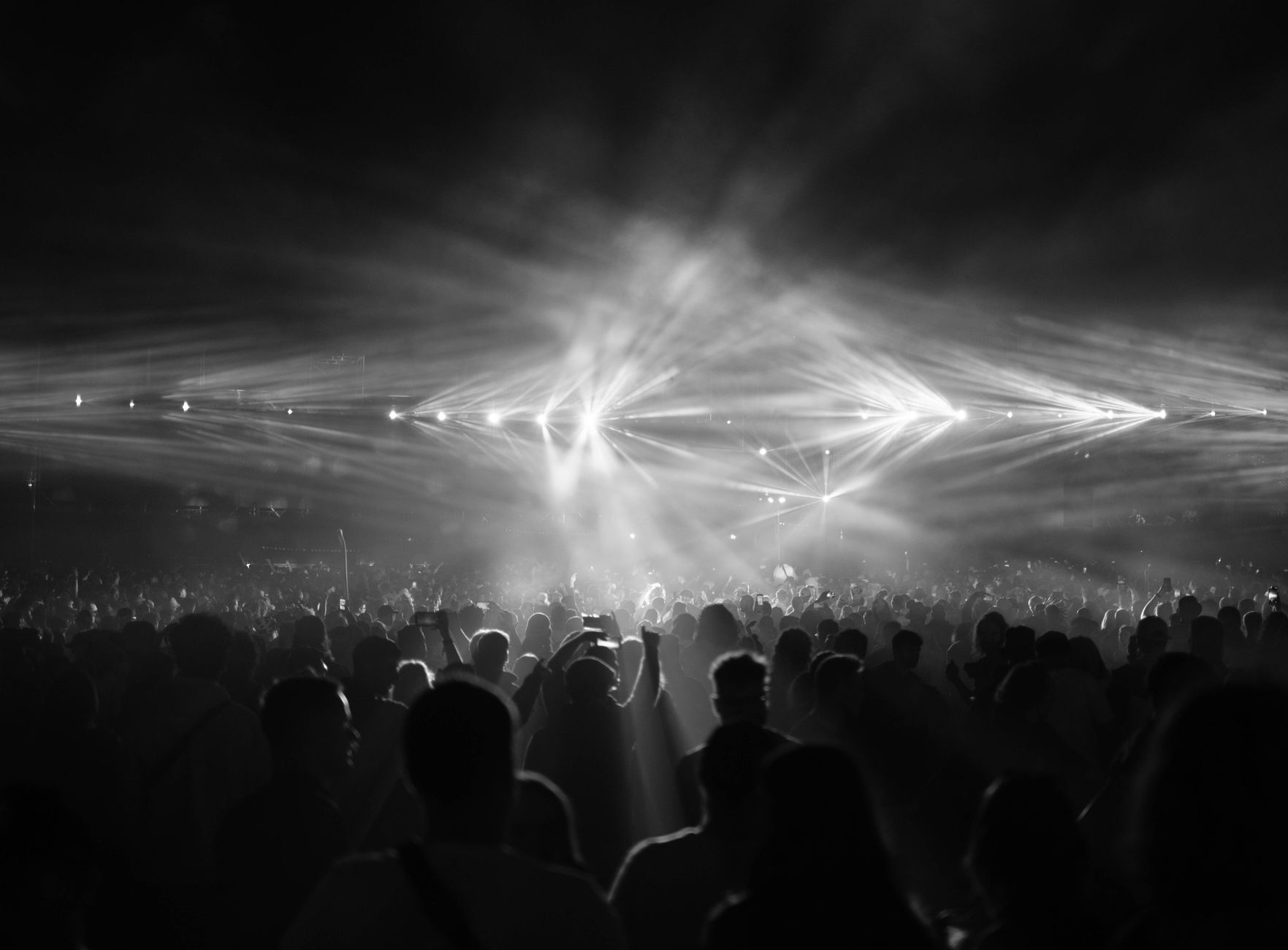
The lights go up. The crowd leaves. The sponsor recap begins. For a brand, this should be the start of a harder conversation, not the end of an easier one. What did the event make possible that an advertising campaign could not? A relationship, a useful experience, a reason to return? A sports event can deliver a beautifully visible presence without establishing a meaningful role. The next brief should start with what remains when the venue is empty.
A wider lens, not a final verdict
On October 5, 2026, MediaRadar announced Total Event Investment, a framework intended to bring advertising and sponsorship intelligence together. Its stated scope connects TV broadcast and exclusive live-streaming sports advertising with sponsorship signals, offering a broader view of how brands invest around events.
The company describes a landscape stretching across teams, leagues, athletes, broadcast integrations, virtual placements, venue signage, equipment sponsorships and creative campaigns. That is not one media buy. It is a collection of decisions that needs a common purpose.
MediaRadar also says its Logo Recognition technology uses computer vision to turn on-screen brand exposure into structured sponsorship intelligence. This is useful visibility. It is not, by itself, a verdict on whether a partnership mattered to the people watching or attending.
For event owners and brand teams, the distinction should shape the brief. Understanding where a brand appears helps explain its presence. Understanding what people can do because it is there helps explain its role. Neither question should substitute for the other.
Ludvig Hedenborg / Pexels — Pexels License
Programme the relationship
A forthcoming culture event offers a useful prompt for sport. According to the supplied report, Zalando's Access All Areas is scheduled for April 24–25, 2027, across Station Berlin and Tempodrom. The free festival is set to bring together fashion, music and culture, with RAYE as headliner.
It has not happened yet. Its attendance, reception and commercial effect cannot be judged from an announcement. What can be examined is the proposition: a brand presenting a programme, rather than merely purchasing a position beside one.
That distinction matters for sports events. A tournament, exhibition or competition weekend should not need unrelated entertainment to apologise for being sport. But its programme can recognise that people have interests, friendships and identities beyond the result.
The practical question is not, “What else can we add?” It is, “What belongs here?” A proposed conversation with an athlete should offer insight that the competition cannot. A workshop should let someone learn something. A gathering after the final should have a social purpose beyond keeping a branded backdrop busy.
These are design choices, not promises of commercial success. Each needs an audience, a responsible delivery team and a reason to exist within the event.
The strongest event brief starts with what people should carry home, not what a brand can put on the wall.
Design the day after
How should a company measure an event partnership? Start by separating delivery, response and continuity. Delivery asks whether the promised programme and partner presence happened. Response asks what participants noticed, used or valued. Continuity asks whether there is a relevant next step—and whether people choose it.
This is a proposed planning framework, not a claim that every outcome can be attributed neatly to one weekend. Set the questions before production starts. Otherwise, the recap risks celebrating whichever numbers are easiest to collect.
A next step does not have to be a sale. Depending on the brief, it could be another session, useful editorial content or an invitation to help shape a future edition. Make it specific. Get permission for follow-up. Do not confuse a contact list with a community.
At DUĒLL, we see the event as a working relationship between sport, professionals, communities and brands. That perspective asks for continuity to be budgeted and staffed, not left as a hopeful line at the end of a presentation.
Who owns the follow-up? What happens to the content? Can the people delivering the experience realistically support another edition? These questions belong beside the stage plan, not after the final invoice.
What it means
For brands, write the participant benefit before choosing the placement. Use exposure intelligence to understand visibility, then assess it alongside evidence of usefulness and voluntary follow-through. A wider investment picture should lead to better questions, not simply a bigger recap.
For clubs and event owners, sell a coherent partnership role rather than a disconnected list of surfaces. Protect the sporting programme and be explicit about what the organisation can deliver afterwards.
For athletes, agree the substance of an appearance: the expertise being shared, the time required and any subsequent content use. For communities, seek a voice in the programme and clarity about what continues once the production leaves.
The business takeaway is straightforward: build the event and its continuation together. The final whistle can end the competition. It should not be the point at which the partnership runs out of purpose.
More from the Journal

Events & Culture · 6 November 2026
Padel: Equal Prizes Need an Equal Stage
A new British padel event is putting equal winners’ prizes on the table. The bigger question for organisers and sponsors is how that commitment shapes the whole tournament.

Events & Culture · 29 October 2026
Padel Hospitality Needs More Than a Good Seat
A planned Las Vegas tournament and a corporate league partnership in Spain offer two different briefs for padel hospitality. The commercial question is not just who attends, but what they are invited to do.

Events & Culture · 25 October 2026
More Dates. Same Standards?
An action sports festival can add destinations faster than it can transfer judgement. Event expansion needs a clear answer to one question: what must survive the move?