

An Athlete Is Not a Media Placement
The value of an athlete partnership is not just who sees it. It is the story, the rights and the relationship that remain after the post.
DUĒLL Journal ·

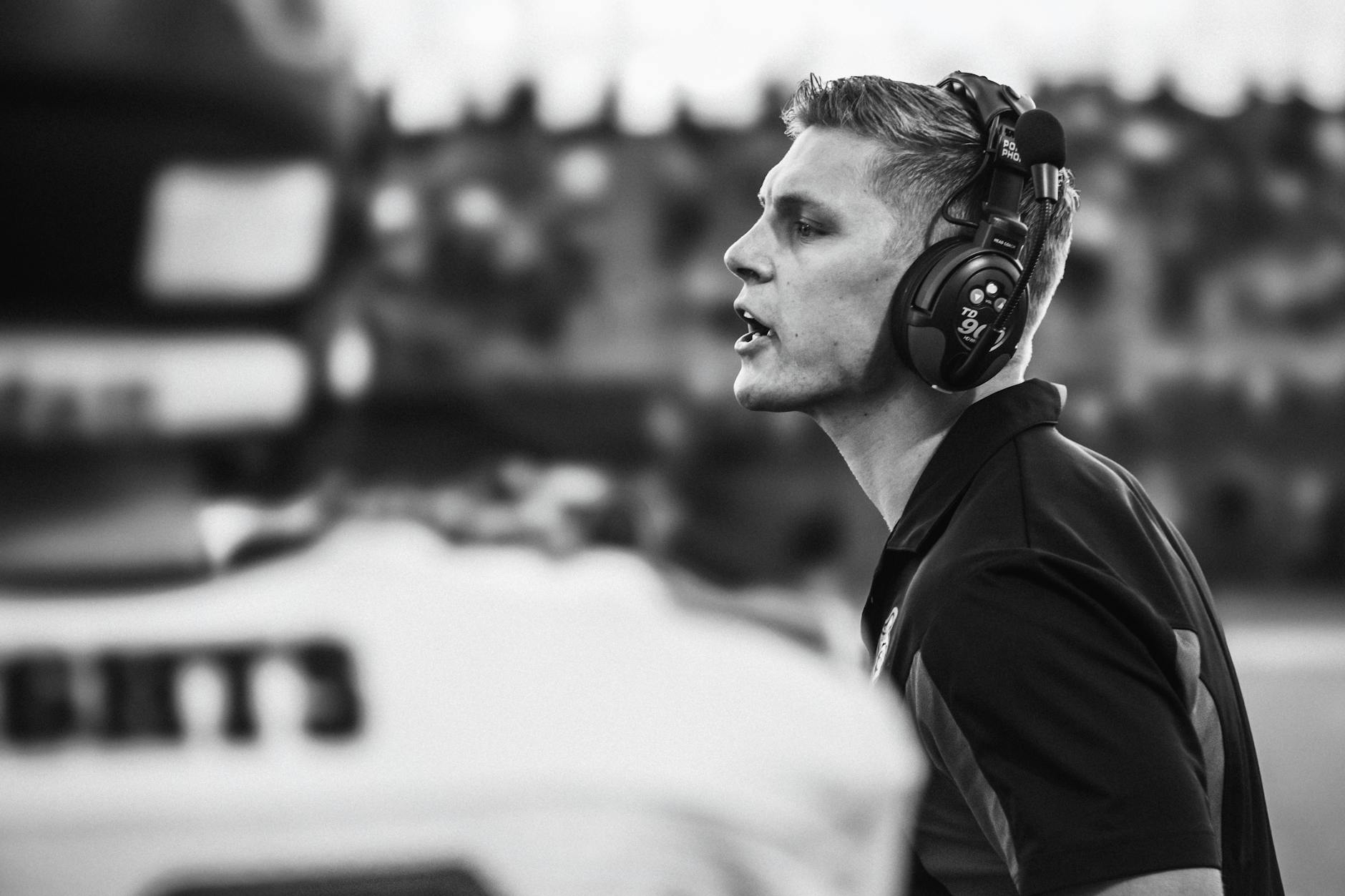
The Lazy Artist Gallery / Pexels — Pexels License
An athlete holding a product is an image. An athlete with a reason to talk about it is the beginning of a partnership. Brands planning ambassador programmes should start with that distinction, not a follower spreadsheet. The useful question is not simply who can put a product in front of people. It is who can make that product part of a credible story — and what the brand is prepared to contribute in return. That changes the brief, the contract and the relationship with the sporting community around the athlete.
Cast a person, not a profile
How should a company choose an athlete ambassador? Start with product relevance, audience fit and the story the athlete can comfortably tell. Reach belongs in the decision. It should not make the decision alone.
JANDASPORT’s campaign offering makes a useful operational distinction. It describes athlete-generated content as something selected for video quality and authenticity, with brands paying for finished material to run through their own advertising and profiles. Its influencer offering, by contrast, centres on audience size and engagement, with distribution mainly through the influencer’s profile.
Those are different purchases. A strong on-camera communicator might be right for a brand’s paid creative without being its biggest source of organic reach. An athlete with an engaged following might offer distribution, but that does not automatically make every product a convincing fit.
Before choosing a face, choose the job. Does the brand need someone to explain a product, open a conversation, bring people to an event or represent it over time? These roles can overlap. They should not be confused.
The briefing process should also establish boundaries. A partnership built around personal experience needs room for the athlete’s own language, and clarity about what they are willing to discuss. Authenticity is not a production instruction. It is a condition the relationship has to allow.

Kyle Loftus / Pexels — Pexels License
Build a story that can continue
Sons’ partnership with Ireland rugby international Stuart McCloskey offers a concrete example of an ambassador brief with more than a single reveal.
According to Sport Endorse’s case study, the six-month arrangement centred on McCloskey using Sons hair loss products and sharing his experience through social content. Reels and Stories sat alongside longer-form brand material. The partnership also brought him together with former GAA player Conor Meyler to discuss hair loss, confidence and their experiences as elite athletes.
The subject gave the content somewhere to go. This was not only sporting credibility applied to a product; it was a conversation about an experience beyond competition.
A dedicated brand film was shot at McCloskey’s boyhood rugby club in Bangor. That location connected the narrative to a real part of his sporting background rather than an interchangeable training backdrop.
Sport Endorse reports that the wider athlete-led content generated more than 500,000 views across more than five social posts. That is a reported distribution result, not evidence of sales, product efficacy or lasting brand preference. The more useful structural lesson is the combination of time, multiple formats and a personal setting.
The strongest ambassador brief gives an athlete a role, not just a line to deliver.
Rights are part of the creative idea
Sons also received rights to repurpose approved content across paid social, whitelisting ads, organic social, email, its website and owned channels, according to the case study. This matters because a partnership’s usefulness depends partly on what happens after publication.
An ambassador agreement should specify where content can appear, for how long, which edits require approval and what paid distribution is permitted. Advertising disclosure belongs in that discussion too. JANDASPORT explicitly includes content licences and ad disclosure within its campaign service.
The practical answer to how brands should use athlete content is therefore straightforward: plan distribution and permissions before filming, not after a successful post. Then evaluate against the original job. Views describe exposure; they do not, by themselves, establish commercial impact.
The exchange can also extend beyond content. Chief Marketer reports that supplement-shot brand Ryde offers internships to athletes within its name, image and likeness programme. That does not prove a superior marketing return. It does offer a different way to frame the relationship: an athlete can be a developing professional, not only a distribution channel.
What it means
At DUĒLL we see athlete management, brand building and community participation as decisions that should be made together. A polished campaign cannot substitute for a well-designed relationship.
For brands, the takeaway is to commission a clear role, a credible story and usable rights — then measure the objective actually agreed. For athletes, it is to negotiate not only deliverables and compensation, but personal boundaries, approvals and opportunities beyond the shoot.
For clubs, involvement should have a defined purpose rather than defaulting to location access. For communities, the test should be what they receive: useful programming, access, recognition or another agreed contribution, rather than simply appearing in the background.
Why do sports communities matter for brands? They provide the context in which an athlete’s story makes sense. That context deserves participation and respect, not extraction. Beyond the game should describe the substance of the partnership, not just its closing line.
More from the Journal

Brands · 30 October 2026
Padel Brands Need to Make Choice Easier
Padel equipment has a market headline. Players still need a useful answer. For brands, the opportunity is to turn product visibility into confident choices—not another ranking.
Brands · 26 October 2026
A Season Is Not a Content Calendar
Under Armour’s We Love Football brings several levels of the game under one platform. The brand question is not how much content a season can hold, but what makes its chapters belong together.
Brands · 20 October 2026
Cast the Sport, Not Just the Look
A sports campaign can look immaculate and still feel wrong. For brands, better casting starts with sporting fluency—not a moodboard.