

Sport Has a New Front Door. Who Gets In?
Streaming platforms are projected to pay half of Asia’s sports rights fees in 2026. The next innovation challenge is not just delivering the game. It is making access worth the effort.
DUĒLL Journal ·

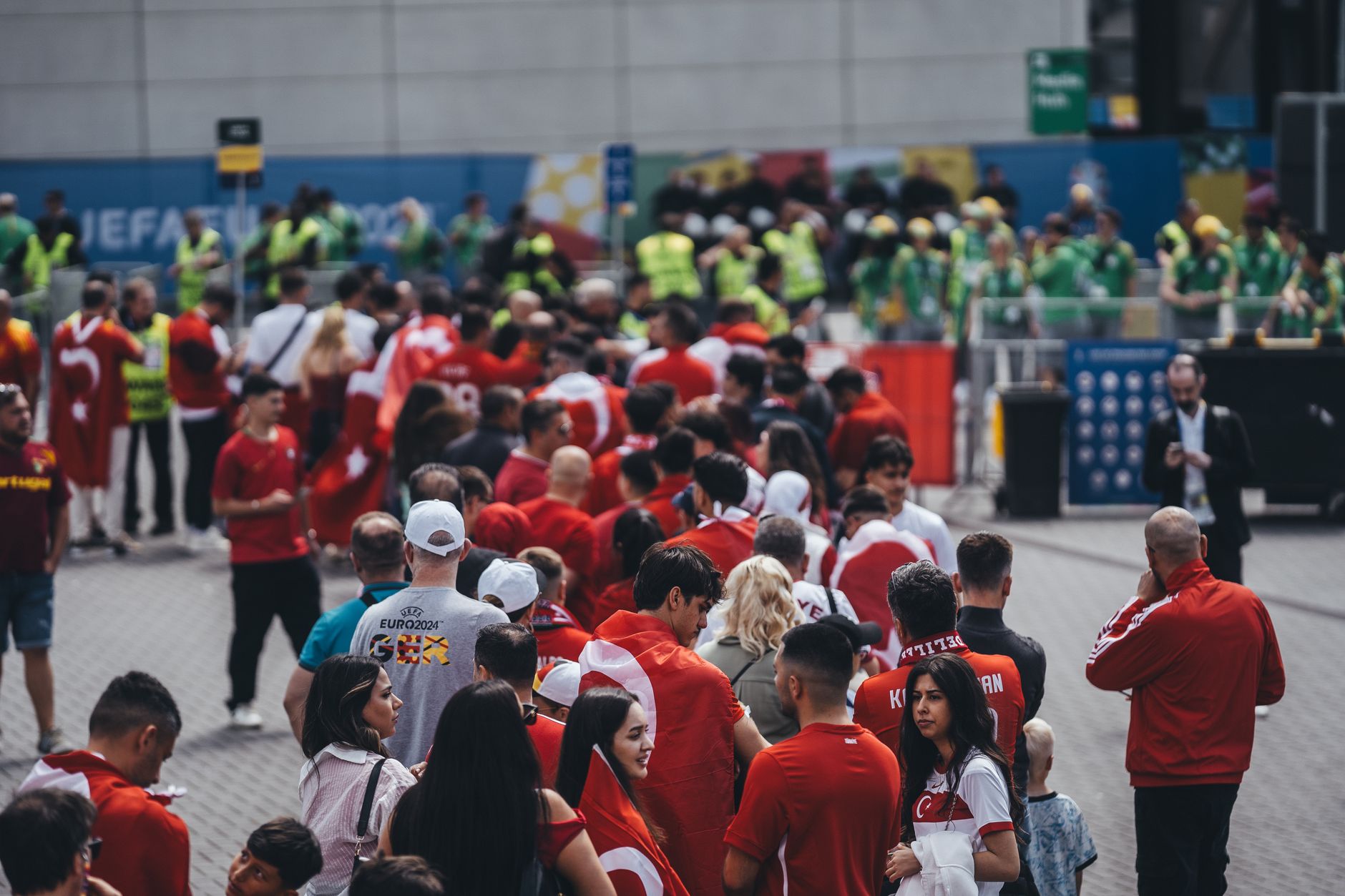
Beyza Kaplan / Pexels — Pexels License
The game can be live and still feel out of reach. A subscription here. Another service there. For sport, the move to streaming is not simply a change of screen; it raises a question about who can follow, participate and belong. Asia’s sports rights market puts that question into focus. The commercial centre of gravity is shifting towards digital platforms. Whether the fan experience improves with it is a separate test.
Half the money, not the whole picture
According to Media Partners Asia projections reported by Quartz and Sports Business Journal, online platforms will account for 50% of Asia’s estimated $5.7 billion in sports rights fees in 2026, up from 36% in 2021. Quartz also reports that streaming platforms have become the primary price-setters across most markets in the region.
That is a meaningful shift in buying power. It is not a measure of audience share, satisfaction or accessibility. Half the rights money does not mean half the fans have found a better way to watch.
The market is also far from uniform. Sports Business Journal describes JioHotstar’s cricket rights in India, Tencent’s access to NBA and NFL games in China, and MNC Digital Entertainment’s Asian Football Confederation and UEFA European Championship coverage in Indonesia. These examples point to distinct rights environments, not one seamless regional sports destination.
For a brand planning across markets, the implication is practical: a partnership should not assume a single route to the audience. Where the sport lives, what access costs and how supporters find it belong in the brief alongside creative direction.
Omar Ramadan / Pexels — Pexels License
Access is part of the product
Sports Business Journal’s account of Bloomberg’s reporting identifies the tension directly: viewers, particularly those watching outside their home markets, need a growing number of subscription services. It also notes that this fragmentation could slow commercial sports growth in Asia.
That possibility matters because distribution and participation are not the same thing. Securing a home for a competition answers where it can be shown. It does not answer how easy it is to become a regular viewer, follow a favourite team or invite someone new into the experience.
The next innovation in sports media should make belonging easier, not just broadcasting smarter.
How should brands respond to fragmented sports streaming? Start by auditing the fan journey rather than buying another layer of visibility. Can someone identify the correct service? Understand the offer? Find the next fixture? Know whether a live screening is available locally?
These are proposed design priorities, not claims about existing platform features. They make a useful distinction: a sponsor can support access without pretending to own the broadcast. Clear viewing information, properly licensed watch events and accessible introductions to a competition are potential partnership ideas, subject to the relevant rights and permissions.
The ambition should be modest and specific. Remove a real obstacle. Do not call an additional content feed a solution to fragmentation.
Better infrastructure needs an editorial purpose
There is another layer to this story: the machinery behind the screen. Sports Video Group’s account of its 2026 Cloud & Content Workflows Summit describes cloud-based production as an increasingly essential part of live sport. Its panel brought together production and technology leaders from NBC Sports, MLB, the NHL and Warner Bros. Discovery, with a remit covering live production, playout, media management, archiving and automated highlights.
The supplied account does not establish cost savings, audience gains or specific operational results. It does show where the production conversation is taking place: across the entire life of sports content, not only the live feed.
The editorial opportunity is to connect those workflows to a clear audience need. Before commissioning more highlights, ask what they should explain. Before planning archive content, ask whose understanding it should deepen. Before adding another output, decide how people will discover it and what rights allow.
At DUĒLL, we see sports innovation as a relationship between professional execution, cultural relevance and practical access. A technically ambitious production deserves an equally considered route to the people it is meant to serve. More content is not a strategy unless each format has a reason to exist.
What it means
For brands, treat access as a partnership design question. Ask rights holders and platforms what the audience must do before it can experience the property you are backing. Set objectives around useful actions, not exposure alone.
For clubs, map the journey from curiosity to regular viewing before adding channels. For athletes, ask where approved content can help people understand the competition, rather than merely duplicating promotional material. For communities, make any proposed viewing event’s permissions, availability and accessibility explicit from the start.
Asia’s rights figures are not a forecast for every market. They are a useful prompt for the wider sports business. As digital platforms gain spending power, innovation should be judged on more than where the game is delivered. The better question is whether people can find their way in—and have a reason to return.
More from the Journal

Innovation · 4 November 2026
Padel Innovation Needs a Price After Free
A college padel launch promises funded court access. Spanish club estimates show why someone still has to carry the cost. The innovation question is what happens when the subsidy ends.
Innovation · 23 October 2026
Sport’s AI Needs an Owner. Not Another Demo.
The less glamorous question in sports AI is the one that matters: who owns the work? A clear budget, a named decision-maker and a useful test should come before the launch announcement.

Innovation · 17 October 2026
Sport Needs a Voice. Not Just a Voice Model.
AI audio offers sport a new production tool. The harder brief is deciding what to translate, what to automate and whose voice should never become an unlimited asset.