

Sport’s Next Creative Brief Is Infrastructure
Cloud production sounds like a technical conversation. It is also a question of editorial power: who can find, shape and publish the moments that give sport its meaning?
DUĒLL Journal ·
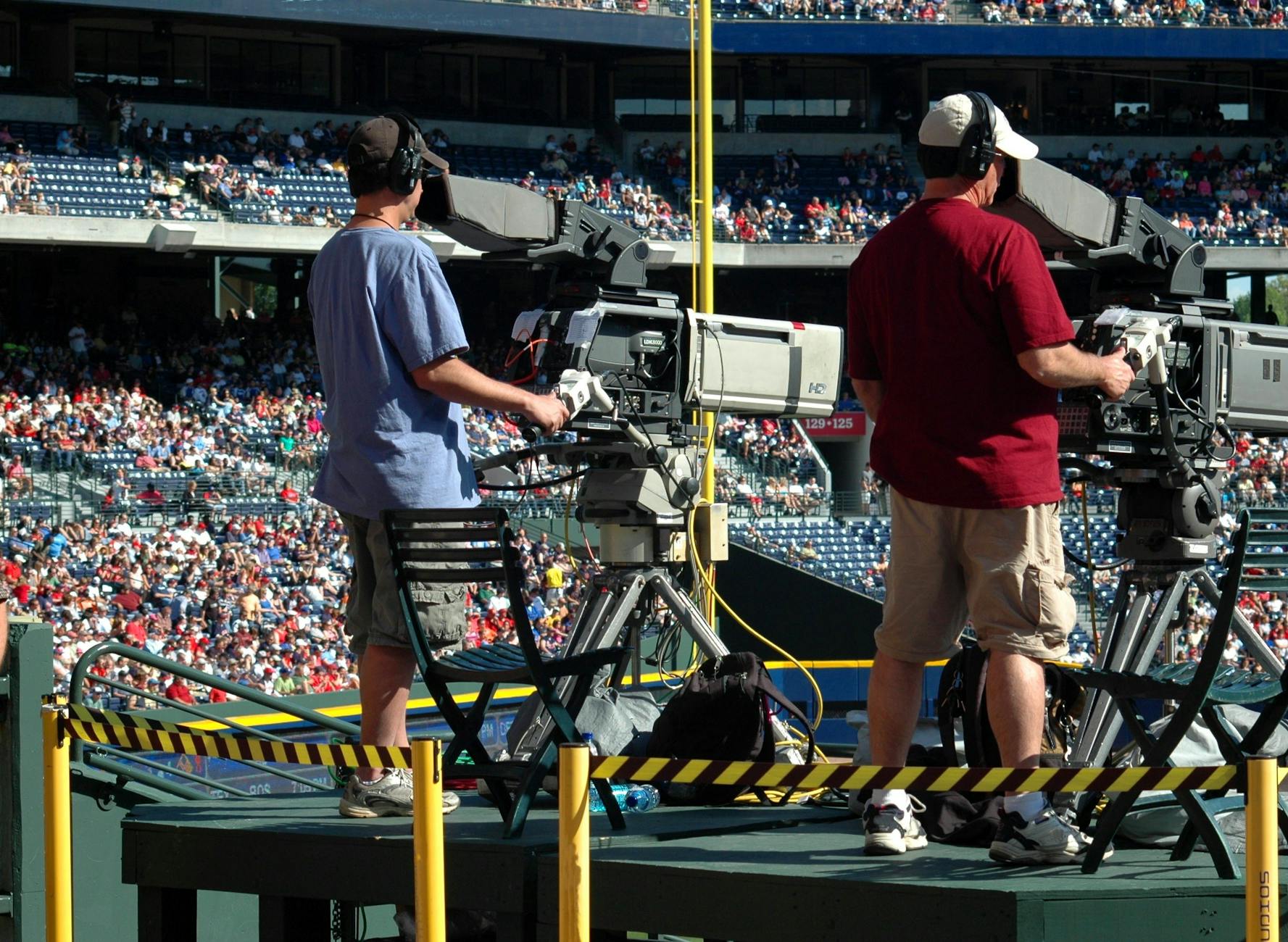
Pixabay / Pexels — Pexels License
Sport does not need another promise of more content. It needs a better account of what happens between a camera capturing something worth seeing and an editor making it worth watching. That space is rarely the glamorous part of the pitch. It contains production workflows, media management, archives and permissions. But it is also where creative ambition meets its actual limits. The next useful innovation brief should start there. Not with a new format. With the ability to make the right one.
The machinery is an editorial question
An October 8 report from Sports Video Group puts cloud-based production firmly inside the working reality of sports media. At its 2026 Cloud & Content Workflows Summit, leaders from NBC Sports, MLB, the NHL and Warner Bros. Discovery discussed implementation across live game production, playout, media management, archiving and automated highlights.
The report describes cloud production as an increasingly essential part of the live-sports ecosystem. It does not establish that every workflow is cheaper, faster or better. Nor should a brand brief assume that moving a process into the cloud automatically improves the story coming out of it.
The more interesting point is the range of functions involved. This is not simply a different way to send a live picture. It reaches into how material is organised, retrieved and prepared for publication. Those are technical responsibilities with editorial consequences.
Consider the questions a club or sports platform should ask before commissioning its next series. Can the production team locate the relevant footage? Is its context clear? Does the organisation know what it is permitted to publish, and where? Who makes the final editorial decision? These are proposed tests of readiness, not claims about the summit participants. They belong in the creative conversation because an idea without a workable production route is still only an idea.

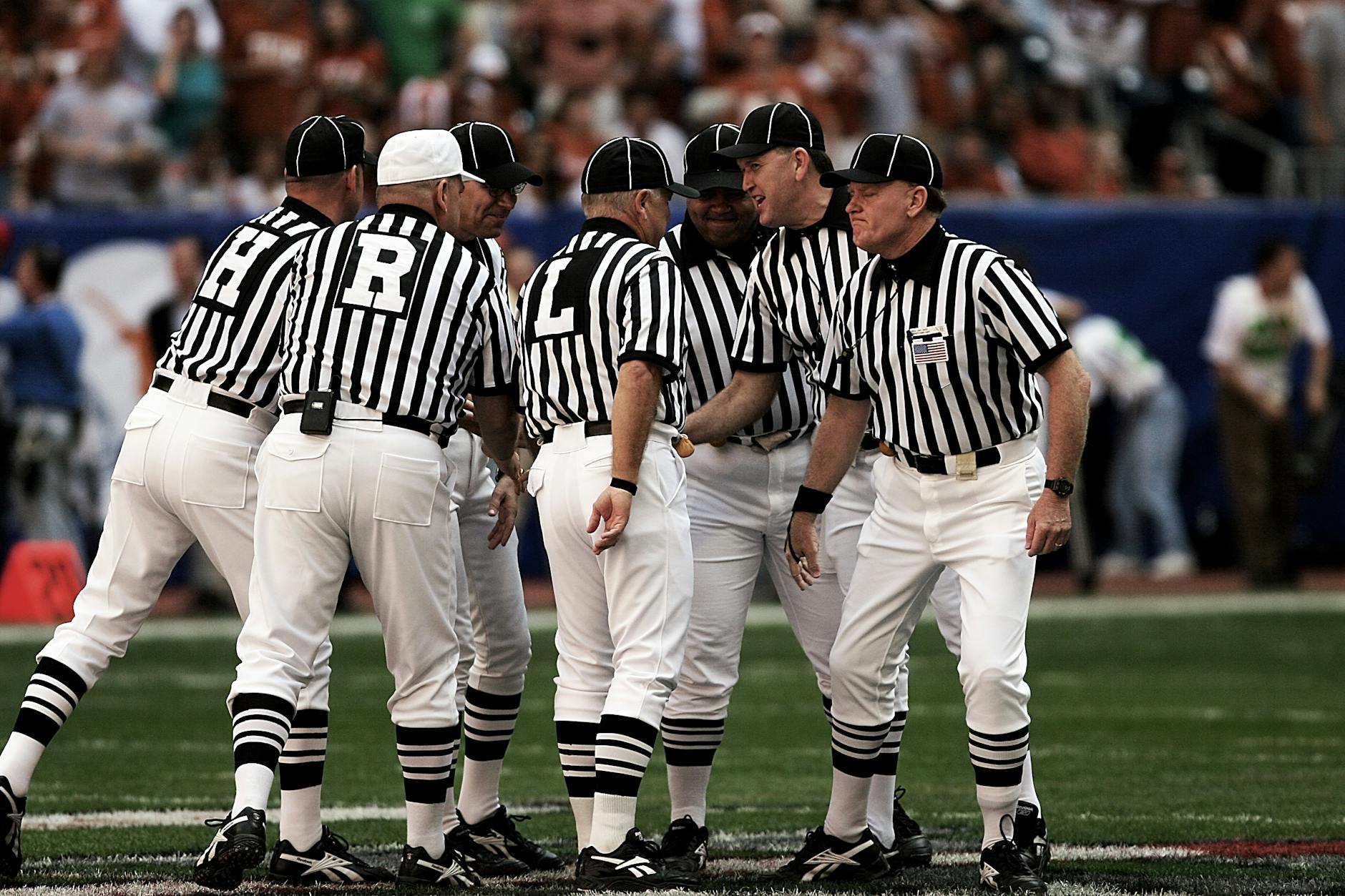
Eric Broder Van Dyke / Pexels — Pexels License
An archive should be usable, not just full
An archive can be treated as storage. A more productive ambition is to treat it as an editorial resource: material that can be understood and used, rather than merely retained.
For a sports organisation, that means designing the archive around future questions. Which competition does this sequence belong to? What happened before it? Who appears in it? What restrictions apply? What would an editor need to avoid stripping the moment of its meaning?
None of that requires pretending technology can identify cultural significance on its own. The SVG discussion includes automated highlights among its subjects. That is a reason to ask where automation should assist, not to assume it should decide. A technically recognisable incident and a story worth telling are not necessarily the same thing.
The value is not in producing every possible clip. It is in knowing which moment deserves a frame.
For brands, the practical question is how to support better sports storytelling without simply buying more output. One answer is to include usable production capacity in the partnership brief: appropriate access to material, clear approval routes and editorial expertise. Those provisions should be negotiated, not presumed. A sponsorship agreement is not automatically permission to repurpose everything a camera records.
Distribution changes the production brief
There is a commercial reason to take this machinery seriously. Quartz, citing Media Partners Asia, reports that online platforms are projected to account for 50% of Asia’s estimated $5.7 billion in sports rights fees in 2026, up from 36% in 2021. It also reports projected annual fee growth of just 1% to 2% through 2030.
Those figures concern rights spending, not production performance. They do not prove that cloud workflows improve returns. But they put the editorial challenge in context: digital platforms are substantial buyers, while the reported outlook for rights-fee growth is more restrained than the preceding period.
The strategic response should not be to promise an unlimited supply of versions for every screen. It should be to build a production system that can serve distinct editorial purposes without losing control of the underlying material.
A live programme, an athlete profile and an explanatory sequence should not be treated as interchangeable containers. Each needs its own rationale, permissions and judgement. Technical flexibility becomes useful when it supports those differences. Without that discipline, flexibility risks becoming a mandate to publish more because more is possible.
At DUĒLL, we see production infrastructure as part of brand building: it helps define what an organisation can express consistently, not just what it can capture occasionally. That makes it a management concern as much as a technical one.
What it means
For brands, ask about the production route before approving the content promise. Budget for editorial labour alongside delivery, and establish which uses are actually authorised. Measure whether the resulting work serves a clear audience need, rather than treating volume as the objective.
For clubs and sports platforms, bring editorial, commercial and technical teams into the same brief. Test retrieval, permissions and publication on a defined use case before declaring the whole system ready.
For athletes, clarify how recorded material may be reused, who supplies context and where approval is required. For communities, seek ways to contribute knowledge and correct misrepresentation, rather than accepting visibility as the only benefit.
The business takeaway is straightforward: infrastructure deserves creative scrutiny. Choose technology around the stories you intend to tell and the responsibilities attached to telling them. A better production system should make sport more intelligible, not merely more available.
More from the Journal

Innovation · 4 November 2026
Padel Innovation Needs a Price After Free
A college padel launch promises funded court access. Spanish club estimates show why someone still has to carry the cost. The innovation question is what happens when the subsidy ends.
Innovation · 23 October 2026
Sport’s AI Needs an Owner. Not Another Demo.
The less glamorous question in sports AI is the one that matters: who owns the work? A clear budget, a named decision-maker and a useful test should come before the launch announcement.

Innovation · 17 October 2026
Sport Needs a Voice. Not Just a Voice Model.
AI audio offers sport a new production tool. The harder brief is deciding what to translate, what to automate and whose voice should never become an unlimited asset.