
Community Needs a Working Agreement
Sports communities bring people together. Partnerships bring competing interests into the room. The next brief should clarify who does the work, who gets a say and what members gain.
DUĒLL Journal ·
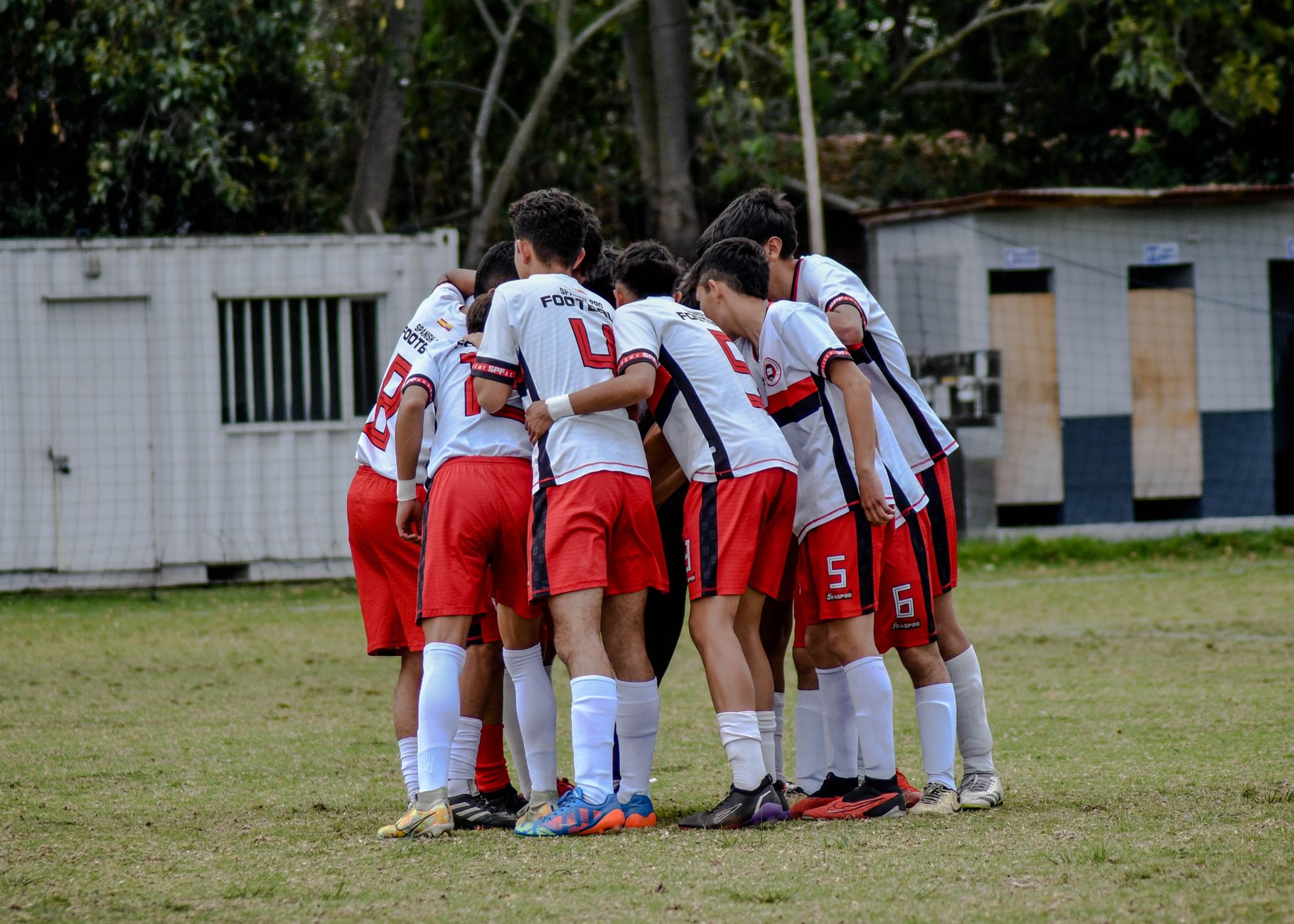
Laura Rincón / Pexels — Pexels License
A community partnership should start with a less photogenic question: who is responsible for making this work? Before the campaign, before the content, before the invitation goes out. Someone has to organise the session, answer the questions and negotiate what happens when a commercial ambition meets a group’s existing habits. Sports communities make an attractive proposition for brands. But the more interesting business challenge is not discovering them. It is building a working relationship between the people and organisations around them without turning members into the product.
Growth brings more people to the table
Running offers a useful view of that challenge. In its October reporting, Running Insight describes both the energy surrounding run clubs and the frustration emerging around their relationships with brands and specialist retailers. These are not necessarily opposing camps. They are different participants in the same sporting environment, with different expectations of what cooperation should deliver.
The publication traces cooldown back to September 2022, when Bailey Ness launched the Denver running club while her intended apparel brand took longer to introduce. It now reports year-long exclusives with Altra and Garmin, alongside a strategic partnership making Fleet Feet the club’s official retail partner. That retail agreement includes collaboration on selected in-person experiences and product education.
The relevant detail is the division of roles. A club, product brands and a retailer can sit within one partnership structure. But their contributions need not be interchangeable. Product education is a different responsibility from organising a social session. Retail support is different from access to a member network.
For companies considering a community partnership, the first question should therefore be specific: what useful role can we perform that is not already being performed well? That is a stronger starting point than asking how much exposure the group can deliver.

Sinan KRIYA / Pexels — Pexels License
The calendar is not empty inventory
A second perspective comes from PUMA’s own account of Munich Running Society, which it has backed since 2024. The article describes a group that trains, socialises, travels and competes together. Co-founder Magnus explains that a running crew founded in 2016 developed into something people organise their week around, with relationships extending beyond training.
This is a brand-published account, not an independent assessment of the partnership. Still, the founders’ description identifies something important: the group’s value sits partly in its existing rhythm.
A regular session is not simply an available date for an activation. It may be someone’s standing arrangement with friends. A commercial partner proposing to change it should understand what that change asks of the people already there.
The partnership should carry some of the work, not just claim some of the attention.
Why do sports communities matter for brands? They offer a setting in which usefulness can be experienced repeatedly, alongside people who know one another. But that opportunity depends on protecting the setting. If every gathering becomes a new commercial instruction, the partnership risks undermining the very continuity that made the group appealing.
Put responsibilities before deliverables
At DUĒLL, we see community partnerships as a coordination challenge before they become a communications opportunity. The practical response is a working agreement: a clear account of contributions, decisions and boundaries. Not bureaucracy for its own sake. A way to prevent enthusiasm from disguising incompatible expectations.
Start with the work. Who manages registration, communicates changes, supports the session and handles member questions? If a partner adds activity, the agreement should identify the extra effort and how it will be supported. Organisers should not have to absorb an expanding commercial brief simply because they care about the group.
Then establish decision rights. Which sessions can a partner shape? Which routines remain untouched? Who approves content involving members? Participation in sport should not be treated as automatic willingness to appear in marketing.
Exclusivity also needs a practical definition. The cooldown example shows that exclusive brand relationships and an official retail partnership can coexist. It does not tell us their contractual boundaries. The lesson for other companies is to specify those boundaries themselves rather than assume everyone interprets a category or a role in the same way.
Finally, agree how members can respond. Attendance alone cannot explain whether a partnership feels useful. A direct feedback route gives organisers a way to distinguish enthusiasm for the sport from enthusiasm for the sponsor.
What it means
For brands, the brief should name a service to the community before it names a content format. For clubs, it should protect decision-making and make additional responsibilities visible. For athletes invited into the programme, it should define a meaningful role—such as a training contribution—rather than rely on their presence to resolve an unclear proposition.
For communities, the test is simpler: does the arrangement improve the experience without removing their say in it?
Build the partnership around that question. Agree who contributes what, review whether it works and leave room to change course. Community does not need to become less commercial to remain credible. Its commercial relationships need to become more accountable.
More from the Journal

Community · 31 October 2026
Padel Community Is Not One Personality
Not every padel player wants a mixer, a group chat or a long evening at the club. A stronger community makes room for different ways of belonging—and gives brands a more useful role.
Community · 27 October 2026
Padel Belongs in the Week
More than 40 million people play padel worldwide. For European brands, the cultural opportunity is not simply scale. It is earning a place in the routines people choose to repeat.

Community · 27 October 2026
Padel Has Players. Who Connects Them?
Britain’s latest padel participation figures make a strong headline. For clubs and brands, the more useful question is how to turn a large audience into people who can actually find a game.