
Padel Belongs in the Week
More than 40 million people play padel worldwide. For European brands, the cultural opportunity is not simply scale. It is earning a place in the routines people choose to repeat.
DUĒLL Journal ·
CRISTIAN CAMILO ESTRADA / Pexels — Pexels License
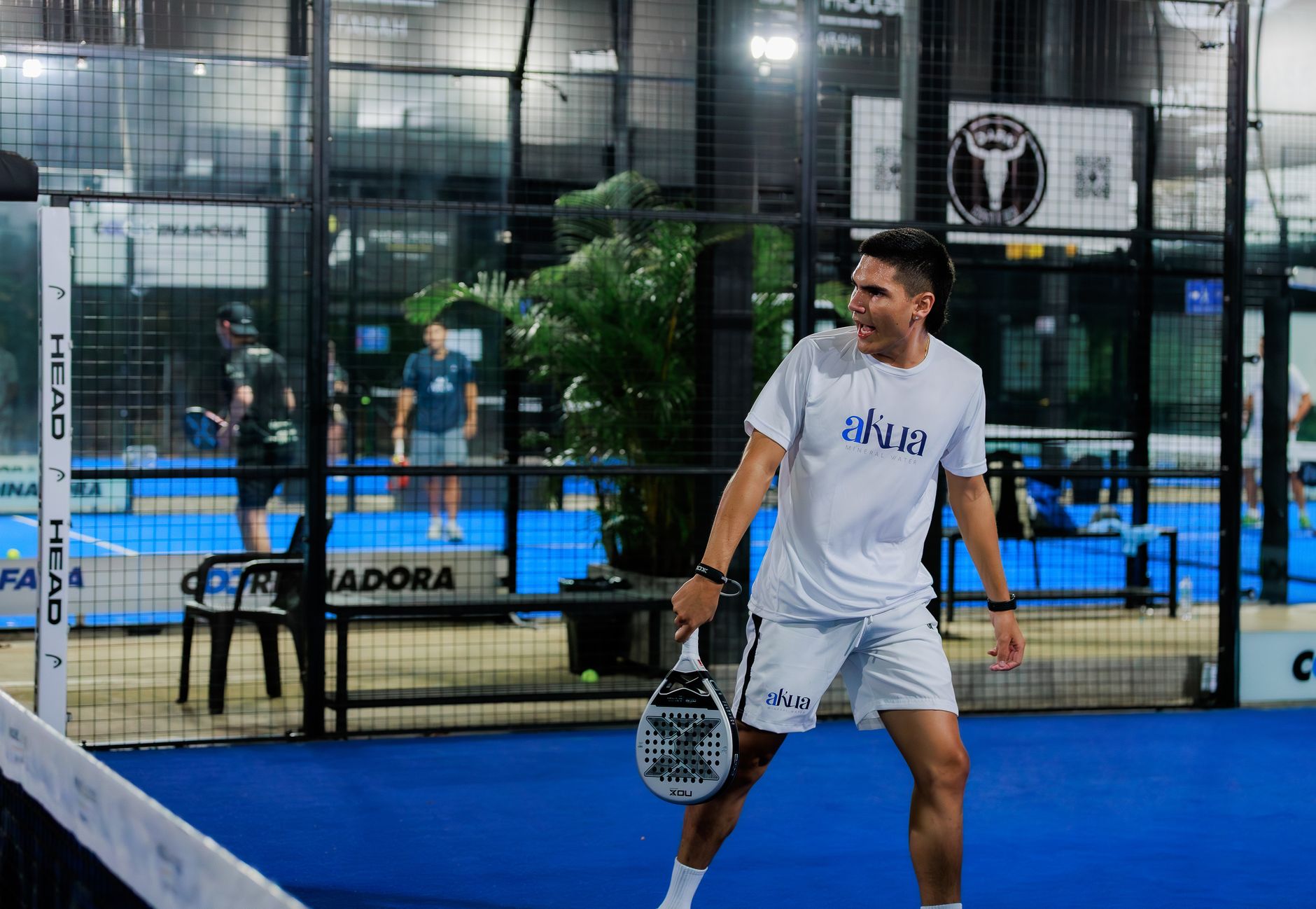
Padel does not need to be declared the world’s most social sport to make a compelling case to brands. It needs a place in the week. A booking people protect. Familiar faces they want to see again. The latest global participation figures suggest a substantial foundation for that kind of culture. But the commercial opportunity is not to mistake everyone who has picked up a racket for a ready-made community. It is to understand the difference between trying a sport and making room for it in everyday life.
The number that deserves more attention
The International Padel Federation’s World Padel Report 2026, released on 14 October, puts worldwide participation at more than 40 million people, across 191 countries and territories. Padel Post’s coverage gives the global club count as 28,497.
Those are the scale figures. The rhythm figure is more useful for this conversation: according to Padel Speak’s breakdown of the report, 27 million people play at least once every two weeks. Its coverage defines the broader player total as people who played at least once during the year.
These are different relationships with padel. Annual participation describes reach. Fortnightly participation points towards a recurring habit. Neither proves friendship, belonging or brand loyalty. But repetition gives those things somewhere to develop.
For a European brand, that changes the brief. Rather than asking only how many people an activation can attract, ask what it adds to the next ordinary visit. Could support make a recurring session easier to attend? Could equipment access help someone return? Could a well-hosted introduction remove the awkwardness of arriving without knowing anyone?
These are proposals, not outcomes established by the report. Their value should be tested through return visits and participant feedback, not assumed from global growth.
Padel becomes culture when people make room for it, not when brands make noise around it.
l / Pexels — Pexels License
A global audience is not a local guest list
Women account for 47% of players worldwide, according to the FIP figures reported by Padel Speak. That should challenge any creative brief that treats padel as a narrow male audience with everyone else added afterwards.
It should not become a claim that every European club has achieved the same balance. A global participation share says nothing definitive about who gets desirable booking times, who feels comfortable joining a session or who helps shape a particular club’s programme.
The practical response is to investigate locally. Ask who returns, who stops coming and whose preferences are absent from the schedule. Build imagery and ambassador choices around the people a programme intends to serve, rather than an inherited picture of the typical player.
Geography needs the same discipline. Padel Speak reports that Europe holds 62.5% of the world’s courts. That infrastructure makes Europe central to the opportunity, but not its sole author. Padel Post reports that Asia opened more new clubs than Europe for the first time, with Indonesia adding 769 clubs in 2026.
Infrastructure growth is not evidence that the same community model will work everywhere. The useful interpretation is narrower: European padel culture should remain curious about other markets, rather than present its own club habits as universal.
The ordinary booking is a cultural asset
OpenEconomics, which produced the report’s global economic-impact study, estimates that court rental accounts for 67.2% of worldwide padel spending. Professional tournaments account for 1.4%.
That is a spending breakdown, not a ranking of cultural influence or sponsorship effectiveness. Professional events can matter without accounting for most expenditure. Still, the figures give brands a reason to take everyday participation seriously on its own terms.
The local dimension is particularly clear in Spain. OpenEconomics estimates Spanish court-rental spending at €605 million and describes that value as remaining within the country. This is evidence from Spain, not a financial template for every European club.
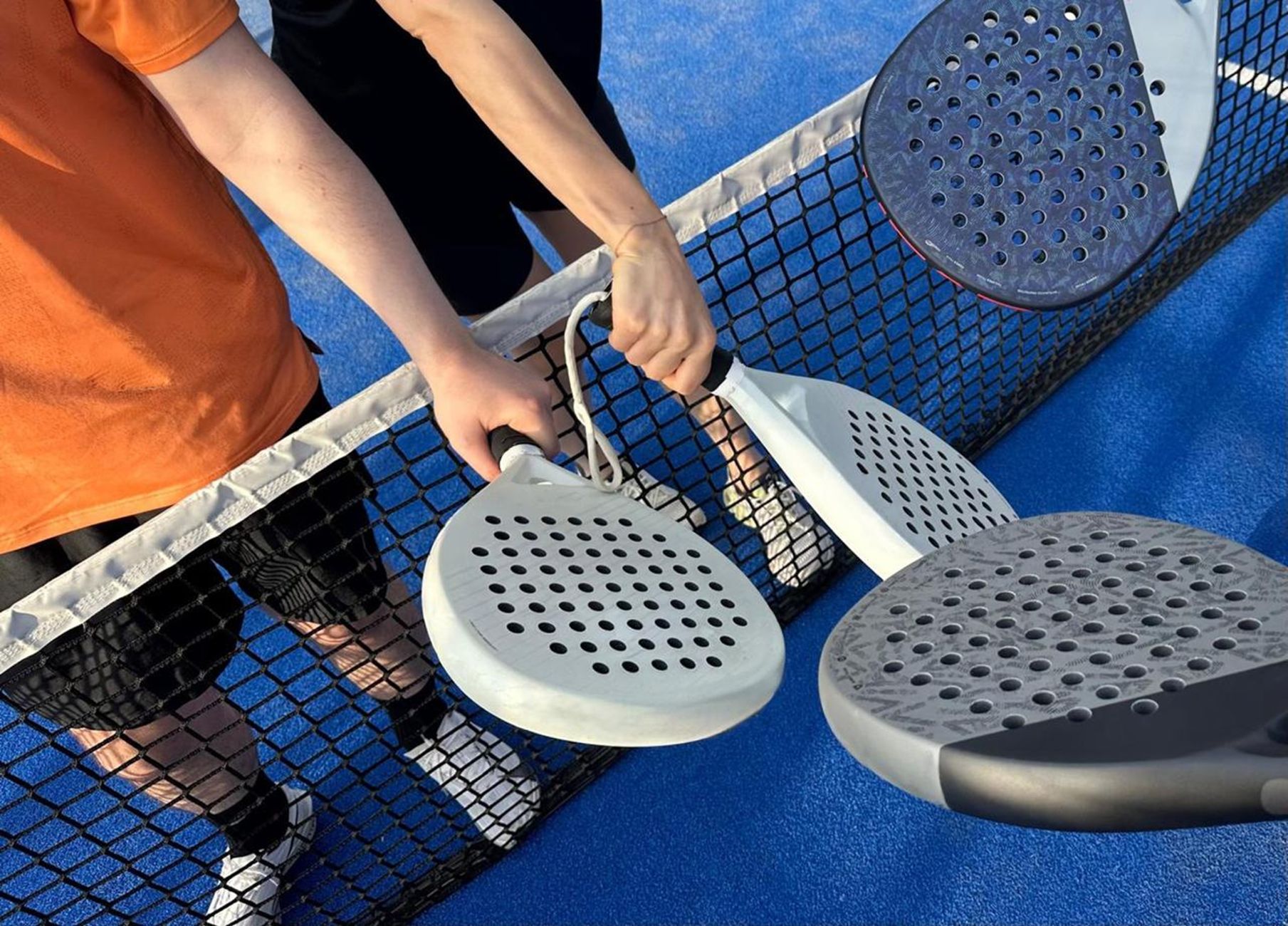
The editorial implication is that recurring play deserves a considered partnership product. A brand could support a hosted padel session with a predictable schedule, a clear entry level and a route into subsequent sessions. Hospitality could create room for conversation without requiring everyone to stay, spend more or appear in content.
The costs belong in the brief too. Who pays for court time? Who hosts? What equipment is needed? Does a sponsored session replace an existing booking? The global study does not answer those club-level questions, and its GDP estimates are not operator margins.
At DUĒLL we see the strongest community brief as a service brief: make the experience worth repeating before asking it to carry a brand message.
What it means
For brands, padel’s community value is the opportunity to support chosen, recurring participation. Sponsor something useful and evaluate whether participants return. Do not confuse attendance with endorsement.
For clubs, sell a programme with delivery responsibilities and a realistic cost structure, not simply access to a headline audience. Protect the experience of existing players while welcoming new ones.
For athletes, an ambassador role can include hosted sessions, practical guidance and repeat appearances. Define that work, its time commitment and compensation explicitly. Visibility and community hosting are different services.
For communities, retain a say in the format. Participation should not depend on becoming promotional material.
None of the research establishes that padel is Europe’s most social sport. It establishes global scale, substantial regular participation and an economy rooted in everyday play. That is enough to support a sharper proposition: help people make padel part of their week, and give them a reason to keep it there.
More from the Journal

Community · 31 October 2026
Padel Community Is Not One Personality
Not every padel player wants a mixer, a group chat or a long evening at the club. A stronger community makes room for different ways of belonging—and gives brands a more useful role.

Community · 27 October 2026
Padel Has Players. Who Connects Them?
Britain’s latest padel participation figures make a strong headline. For clubs and brands, the more useful question is how to turn a large audience into people who can actually find a game.

Community · 21 October 2026
Let One Lap Be Enough
Not every sports community needs to turn beginners into competitors. Sometimes the stronger proposition is a session that feels complete without demanding more.