

Padel Community Is Not One Personality
Not every padel player wants a mixer, a group chat or a long evening at the club. A stronger community makes room for different ways of belonging—and gives brands a more useful role.
DUĒLL Journal ·

Iván Hernández-Cuevas / Pexels — Pexels License
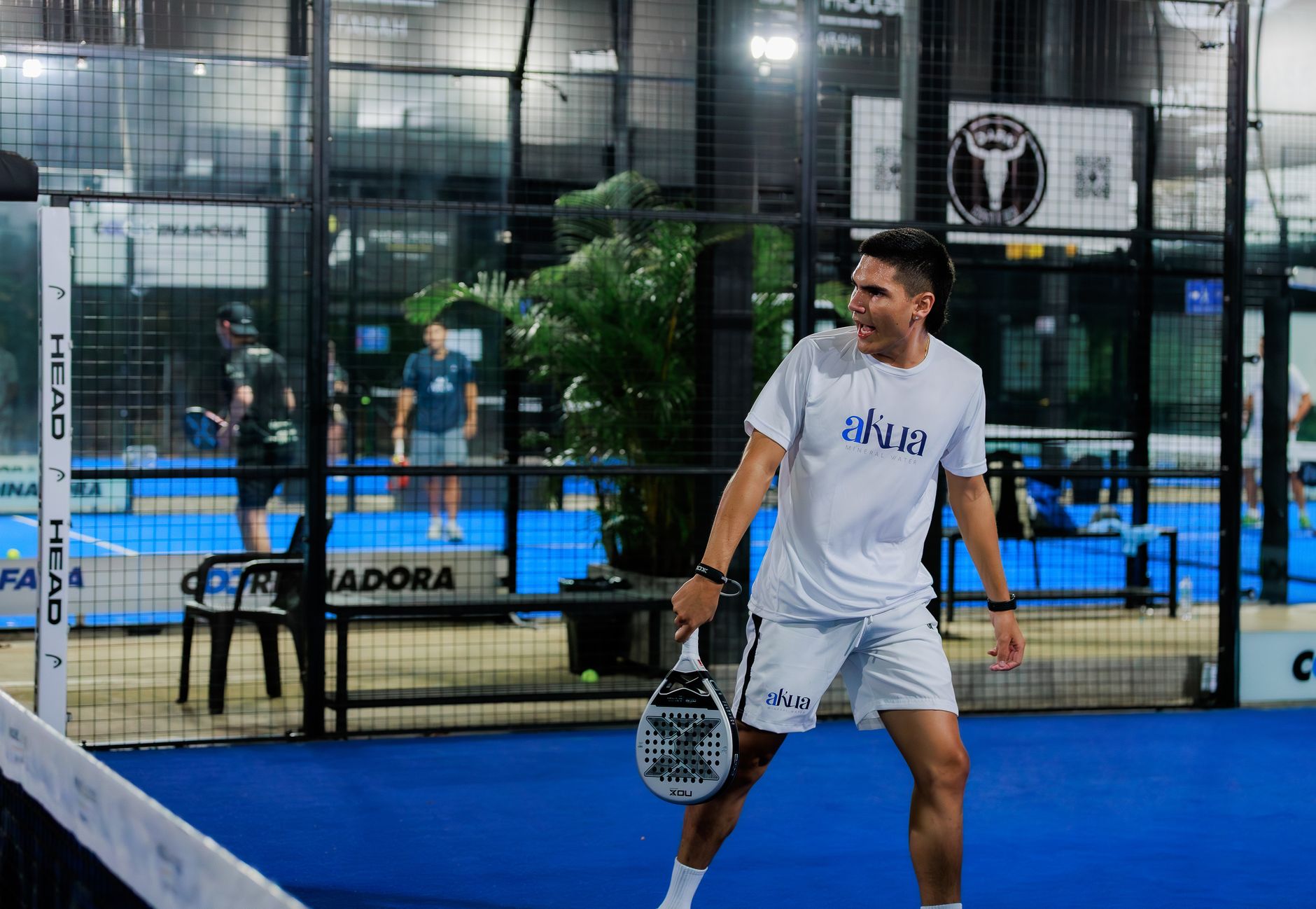
Padel’s social promise is easy to picture: a good game, a courtside conversation, an evening that lasts longer than the booking. But that image should not become a membership requirement. Someone who arrives alone, wants balanced competition and leaves straight after the final point deserves to belong as much as the person organising drinks. The community question is not simply how to make players more social. It is how to accommodate different social appetites without turning the club into separate camps.
Different formats, different expectations
The supplied moné journal article offers a useful vocabulary. It describes Americanos as rotating partners and opponents with individual scoring; Mexicanos as adjusting pairings around current scores; mixers as club-run social sessions; open matches as a way to find players at a similar level; and leagues as regular fixtures with a set partner.
These are descriptions from a padel brand’s editorial content, not independent evidence of retention or commercial performance. The article does not identify a national sample. Its observations should therefore inform a programming discussion, not stand in for proof of a worldwide behavioural shift.
Still, the distinction between formats matters. An Americano offers variety in playing partners. A score-based Mexicano introduces a different competitive logic. A league asks for continuity. Treating them as interchangeable “community events” misses what a participant is actually choosing.
For a club, the practical implication is to describe the experience before selling the place. Will partners rotate? How are levels handled? Is the session structured around meeting people or playing closely matched games? Can someone enter alone?
That information is more useful than another invitation to join a vibrant community. It lets a player choose an experience rather than decode a mood.

Iván Hernández-Cuevas / Pexels — Pexels License
Belonging should not depend on lingering
Moné also presents the padel club as a “third place” between home and work, describing lounges, coffee bars and events as part of its social appeal. It specifically points to people working remotely or arriving in a new city. Again, that is the article’s framing, not a country-specific participation finding.
The editorial opportunity is to take the idea seriously without making it compulsory. A club can offer somewhere to stay without implying that leaving means disengagement. Courtside sociability and competitive commitment are different expressions of belonging, not higher and lower tiers of it.
A padel community should offer more than one way to belong.
This changes how a club might assess its programme. Rather than asking only how many people attended, it could ask whether players got the experience advertised. Did solo entrants understand the format? Were competitive expectations clear? Did people feel comfortable returning without bringing friends?
These are proposed operating questions, not measured outcomes from the research. Their purpose is to make community quality observable without reducing it to time spent at the bar.
Give sponsors a specific social job
A second supplied source, DO→PADEL, presents itself with worldwide ambitions and language around growth, support and inclusion. Its page lists routes to court booking, club discovery, coaching content and other padel resources. The supplied material does not establish its geographic reach, active membership or the effectiveness of those services.
What it does illustrate is a broader promise than socialising alone: belonging expressed through access to information and opportunities to play. The strategic distinction is useful. Community can be supported by practical help as well as hospitality.
How should a brand sponsor a padel community? Start with a defined player need, not a generic social identity. A proposed partnership could support clearly explained introductory sessions, a hosted rotating format or accessible information about available playing options. None should be presented as a proven retention mechanism without local evaluation.
The same principle applies to athlete ambassadors. A player partnership could include explaining formats, setting expectations or hosting a session with a clear purpose. Sporting credibility would be put to work, rather than left on a campaign image.
There are delivery questions to resolve: host time, court allocation, level management and the division of responsibilities between club and sponsor. An attractive concept is not yet a workable programme. Nor does either supplied source establish what such activity should cost or return.
What it means
At DUĒLL we see a useful distinction between gathering a crowd and accommodating a community. For padel, the latter means giving people clear choices about how they participate.
Clubs should make formats legible and test them against their own players’ expectations. Brands should fund a specific contribution and agree how it will be evaluated. Athletes should have a defined role beyond attendance. Communities should have a way to explain what is missing without being expected to want the same thing.
Neither source supports a country-by-country comparison or a global retention claim. These ideas need local testing, not worldwide certainty. The business takeaway is nevertheless clear: build the padel offer around different reasons to participate. A shared court does not require a shared personality.
More from the Journal
Community · 27 October 2026
Padel Belongs in the Week
More than 40 million people play padel worldwide. For European brands, the cultural opportunity is not simply scale. It is earning a place in the routines people choose to repeat.

Community · 27 October 2026
Padel Has Players. Who Connects Them?
Britain’s latest padel participation figures make a strong headline. For clubs and brands, the more useful question is how to turn a large audience into people who can actually find a game.

Community · 21 October 2026
Let One Lap Be Enough
Not every sports community needs to turn beginners into competitors. Sometimes the stronger proposition is a session that feels complete without demanding more.