

Let One Lap Be Enough
Not every sports community needs to turn beginners into competitors. Sometimes the stronger proposition is a session that feels complete without demanding more.
DUĒLL Journal ·

Egor Komarov / Pexels — Pexels License
Sport likes a next step. A faster time. A longer distance. A bigger commitment. That logic makes sense on a training plan. It becomes less useful when it turns every casual participant into an unfinished athlete. A community should be able to offer something else: a session that counts on its own terms. Not a trial version of serious sport. Not the first stage of a conversion funnel. One lap, with other people, can be the whole point.
A finish line without a promotion ladder
In its October account of participation in the Hills District, Hills Run Club describes free community runs that bring together runners, joggers and walkers. Some participants are working towards their first full lap. Nobody is tested on pace. Crucially, one lap counts as a complete run.
That last detail deserves more attention than another running-boom headline. It establishes a finish line without establishing a hierarchy of ambition. Someone can arrive, move, finish and leave without having their effort framed as preparation for something more legitimate.
The article also describes easy paces, walking breaks and the social appeal of moving together. Its account is a useful local illustration, not proof that every running community works this way. But it raises a precise question for anyone designing sport experiences: does your offer recognise what people already do, or only what you hope they will eventually become?
There is a difference between welcoming beginners and making room for people who intend to remain recreational. The first assumes progression. The second allows a lasting relationship with sport that does not depend on getting faster.

Yazid N / Pexels — Pexels License
Stop confusing ambition with attachment
A person can care deeply about a group without caring about a personal best. They may value a familiar route, an easy conversation or a commitment small enough to keep. Those motivations deserve to be treated as the substance of the experience, not as soft benefits surrounding the real business of performance.
For community organisers, the practical implication is to separate sporting progression from belonging. Offer longer routes and harder sessions where appropriate. Just do not make them the implied destination of every participant. Keep the shorter option visible, properly hosted and complete in itself.
The same principle should shape communication. If every featured member is celebrating a distance milestone, the editorial message is clear, even when the welcome copy says otherwise. A more balanced approach would also recognise consistency, friendship and the simple decision to turn up again.
Belonging should not come with a requirement to become more ambitious.
This is not an argument against competition. It is an argument against using competition as the only language through which a sports community recognises commitment. Performance can have its own space without defining everyone else's worth.
Brief for the session, not the transformation
For brands, this changes the brief. Instead of asking how a partnership can move participants towards a bigger challenge, ask how it can make the session they already want more worthwhile. That means understanding the actual format before introducing a campaign mechanic, a challenge ladder or an athlete appearance.
How should a brand use an athlete as a community ambassador? Give them a role that serves the group's purpose. In a recreational session, that could mean joining at the advertised pace, making conversation and treating the shortest route as a valid choice. The athlete's expertise should support the experience, not quietly turn it into an assessment.
At DUĒLL, we see a useful distinction between showcasing excellence and prescribing it. An athlete can represent exceptional performance while helping create a setting in which nobody else has to perform exceptionally.
Measurement should follow that distinction. Alongside attendance, organisers could ask whether participants felt comfortable with their chosen distance, whether the pace matched the promise and whether they would return without a new goal. These are proposed measures of experience, not claims about results. They help test whether the programme delivers what it says it offers.
What it means
Why do sports communities matter for brands? They offer a setting in which a brand can contribute to something people choose to repeat. But the relationship should not depend on continually raising the demands placed on those people.
For clubs, that means protecting recreational formats from becoming unofficial auditions. For athletes, it means knowing when expertise is best expressed through encouragement rather than instruction. For brands, it means supporting a satisfying present-tense experience instead of selling every participant a future self.
For communities, the choice is more fundamental: decide what counts as enough, and make that promise credible in the route, the hosting and the stories you tell. Leave room for ambition. Leave equal room for someone who finishes one lap, feels good and goes home.
More from the Journal

Community · 31 October 2026
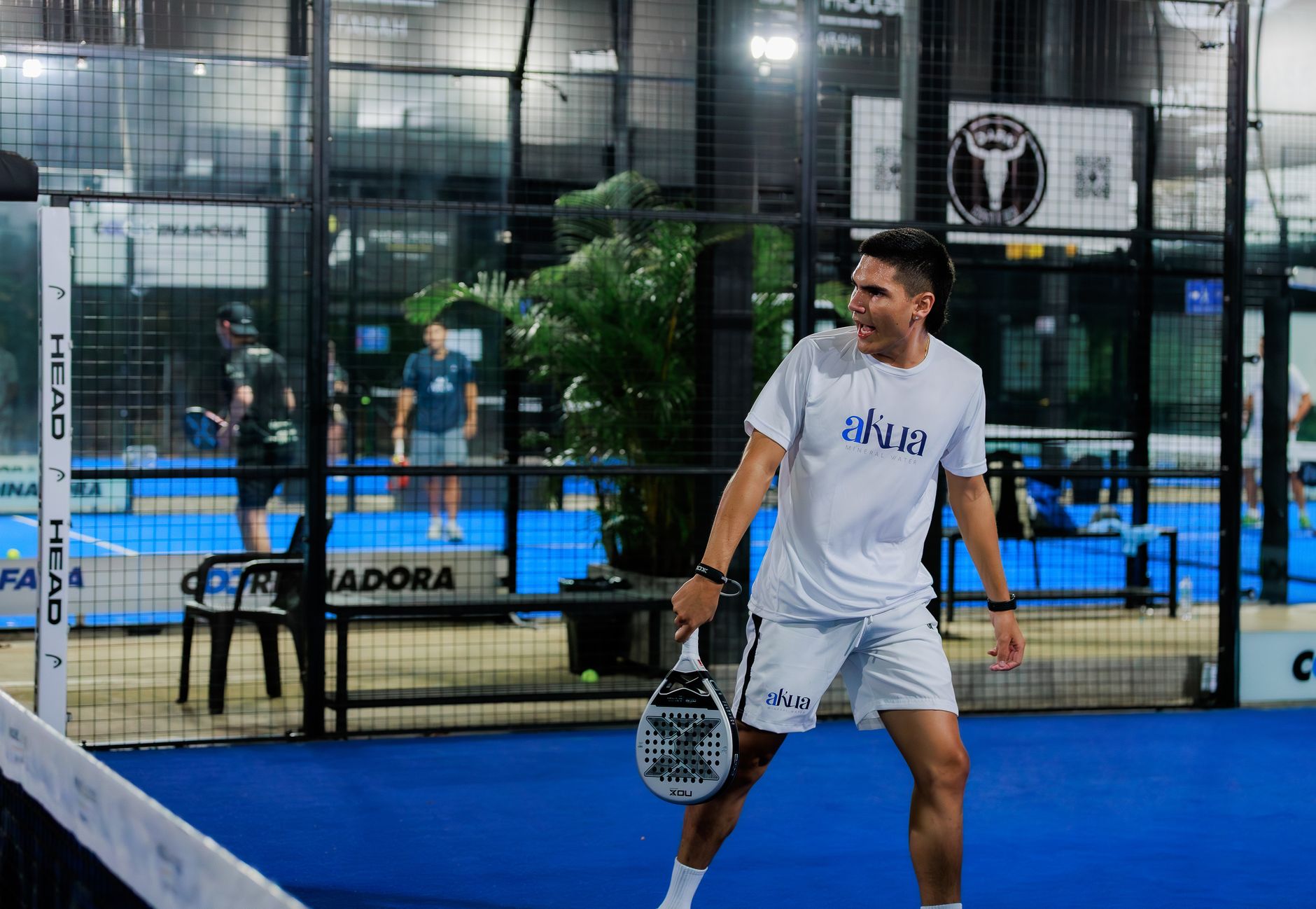
Padel Community Is Not One Personality
Not every padel player wants a mixer, a group chat or a long evening at the club. A stronger community makes room for different ways of belonging—and gives brands a more useful role.
Community · 27 October 2026
Padel Belongs in the Week
More than 40 million people play padel worldwide. For European brands, the cultural opportunity is not simply scale. It is earning a place in the routines people choose to repeat.

Community · 27 October 2026
Padel Has Players. Who Connects Them?
Britain’s latest padel participation figures make a strong headline. For clubs and brands, the more useful question is how to turn a large audience into people who can actually find a game.