
Run Clubs Need More Than a Logo
Running communities are becoming part of the social fabric of cities. For brands, the opportunity is not to own the crowd. It is to make the weekly ritual worth returning to.
DUĒLL Journal ·
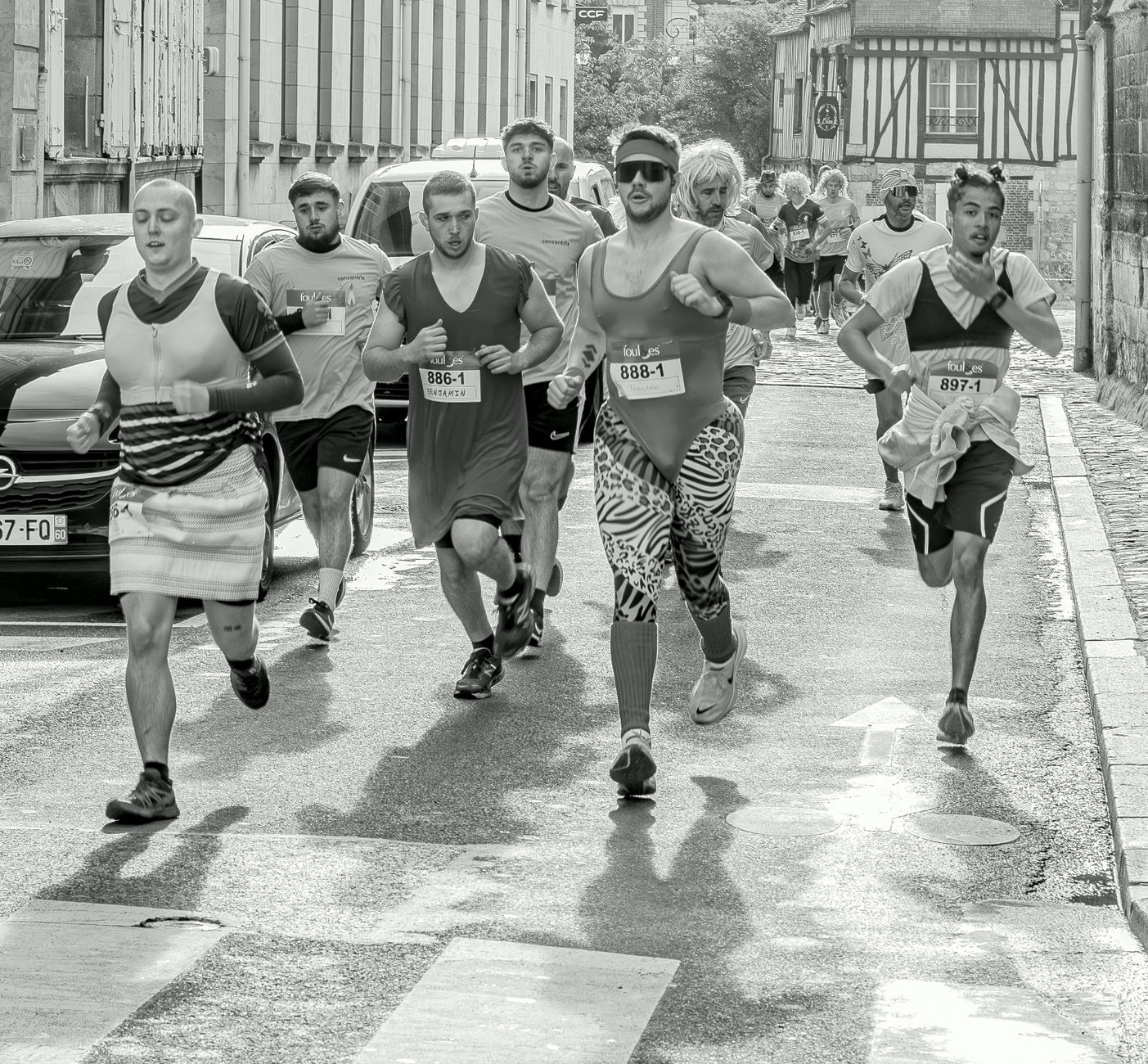
Jean Marc Bonnel / Pexels — Pexels License
The most valuable thing a run club can offer a brand is also the thing a brand cannot simply buy: a reason for people to come back. Not for a launch. Not for a photo. For an ordinary evening with people who notice whether they turn up. Recent reporting on running communities exposes a useful tension. Clubs are attracting commercial partners while becoming social spaces in their own right. The question is no longer whether brands should pay attention. It is what they should contribute once they arrive.
The weekly ritual is the real asset
In PUMA’s account of Munich Running Society, co-founder Magnus describes a crew that started in 2016 and became something members organise their week around. Training led to friendships, relationships and even jobs. Group chats expanded beyond running. The activity remained the anchor, but no longer explained everything people were getting from it.
That distinction matters. A training session offers exercise. A recurring community offers a place in other people’s routines.
Munich Running Society, backed by PUMA since 2024, trains, socialises, travels and competes together. The article presents the club as a third space: somewhere outside home and work where relationships can develop. This is a brand-owned publication, not an independent assessment of partnership effectiveness. But the founders’ description points to a clear operating principle: connection needs repetition.
Why do sports communities matter for brands? Because they offer a setting in which usefulness can be experienced repeatedly, rather than merely advertised. That is an opportunity, not a guarantee of trust. A logo at the meeting point does not automatically become part of what members value.

Clarence Liu / Pexels — Pexels License
Growth brings a question of ownership
Running Insight’s reporting introduces a less polished side of the run-club story: friction between new groups, commercial partners and specialist running retailers.
Its example is cooldown. Bailey Ness initially wanted to launch a running apparel brand. When that took longer than expected, she started a Denver running club in September 2022. The club subsequently expanded into other cities. According to the report, it now has year-long exclusives with Altra and Garmin, alongside a strategic partnership making Fleet Feet its official retail partner.
The Fleet Feet arrangement includes collaboration on selected in-person experiences and product education. Those details are more instructive than the partnership label itself. They describe things a retailer and a club can actually do together.
The same report notes frustration around some clubs’ relationships with brands and their lack of involvement with specialist retailers. It would be too simple to cast this as established retail resisting a new culture. The more useful question is how the people recruiting runners, supplying expertise and hosting experiences can work together without treating the community as territory.
A community is not a crowd you own. It is a routine you help make worth keeping.
For any partnership, responsibilities should be explicit. Who hosts? Who supports newcomers? What does exclusivity restrict? And what remains the club’s decision? These are not administrative details to resolve after the announcement. They help define the experience members will have.
Sponsor the ordinary evening
How should a brand support a run club without overwhelming it? Start with the recurring session, not the campaign calendar.
Ask organisers what would improve the experience they already deliver. Depending on their needs, that could mean support for hosting, clearer information for first-time participants, product education or access to specialist advice. These are partnership options, not evidence that every club needs the same package.
The point is to solve a real constraint before adding a branded attraction. A large event can have a role. It should not become a substitute for the less visible work that makes the next regular session possible.
At DUĒLL, we see the recurring sporting experience as the starting point for community-led brand building. The event, the professionals involved and the commercial partnership should strengthen the same promise: people know why they are welcome and what they can return to.
Measurement should follow that logic. Alongside event attendance and content reach, partners should ask whether newcomers return, whether organisers can sustain the workload and whether participants find the contribution useful. These are proposed evaluation questions, not results reported by either source. They distinguish a partnership that looks active from one that supports an active community.
What it means
For brands, the business opportunity is to earn a useful role in an existing ritual. Define the member benefit before negotiating visibility. For clubs, commercial clarity matters: protect decision-making, spell out obligations and avoid promising access that changes the character of the group.
For athletes and sports professionals, participation can mean contributing training knowledge and a consistent presence rather than simply appearing at a launch. For communities, the standard should remain straightforward: does the partnership make joining, participating or returning better?
The strongest commercial proposition is not that a run club delivers a captive audience. It is that the club gives people a reason to show up voluntarily. Build around that freedom. Do not mistake it for something a sponsorship agreement can own.
More from the Journal

Community · 31 October 2026
Padel Community Is Not One Personality
Not every padel player wants a mixer, a group chat or a long evening at the club. A stronger community makes room for different ways of belonging—and gives brands a more useful role.
Community · 27 October 2026
Padel Belongs in the Week
More than 40 million people play padel worldwide. For European brands, the cultural opportunity is not simply scale. It is earning a place in the routines people choose to repeat.

Community · 27 October 2026
Padel Has Players. Who Connects Them?
Britain’s latest padel participation figures make a strong headline. For clubs and brands, the more useful question is how to turn a large audience into people who can actually find a game.