
The Case for Small Money in Sport
A grassroots fund in Bridgend offers grants of up to £1,000. For brands, it raises a bigger question: what if the most useful contribution is not the most visible one?
DUĒLL Journal ·

Coen Crevels / Pexels — Pexels License
Not every useful contribution to sport needs to look like a launch. Sometimes the better brief is equipment, a coach’s training or the cost of hiring a venue for a new activity. Nothing especially cinematic. But these are the things worth examining before a brand decides what its community presence should look like. A new grassroots fund in Bridgend County Borough offers a timely prompt: stop treating small-scale support as the less interesting version of a big partnership. It deserves a strategy of its own.
Small is a design choice
On 14 October 2026, Bridgend County Borough Council announced its Support for Sport Fund, offering grants of up to £1,000 to help sports clubs and community organisations create opportunities for people to get active. The programme supports grassroots sport and physical activity for people of all ages and abilities.
Its eligible uses make an unusually concrete reading list: equipment, taster sessions, training for volunteers, coaches and officials. Also disability inclusion equipment, community sport events, venue hire for new activities, promotional materials and start-up costs for new community sport projects.
This is a public funding programme, not evidence of a brand partnership. Nor does its announcement establish what the grants will achieve. The useful lesson for companies is in the specificity of the offer. It names things local organisations can actually use rather than leaving “community impact” as an attractive abstraction.
A smaller contribution should not mean a vaguer ambition. Quite the opposite. With a limited sum, the question becomes sharper: which particular cost can this support cover, and what activity would that make possible?

korso 0007 / Pexels — Pexels License
Buy usefulness before visibility
For a brand considering grassroots investment, the fund’s list suggests a different starting point for the brief. Do not begin with the placement of a logo. Begin with the expense an organisation wants help meeting.
That might mean supporting the training of a volunteer rather than commissioning another piece of campaign content. It might mean equipment that enables a more inclusive session. Or venue hire that gives a new activity somewhere to happen. These are possible approaches drawn from the programme’s funding categories, not reported outcomes.
The distinction matters. Community investment should be legible without being forced into a success story before anyone has taken part. A company can explain what it funded, why the local organisation requested it and what the intended benefit is. It does not need to imply that a modest contribution has transformed an entire neighbourhood.
Small money deserves a precise purpose, not an oversized story.
How should brands support grassroots sport? Fund a clearly identified need, let the people delivering the activity shape the spending, and make the reporting proportionate to the contribution. Recognition can be part of the arrangement. It should not become the activity’s main reason to exist.
Back the people who make participation possible
One of the most interesting details in Bridgend’s offer is the inclusion of training for volunteers, coaches and officials. It puts the people delivering sport alongside the equipment used to play it. For brands, that is a useful correction to a brief built entirely around participants and pictures.
Consider the questions a prospective partner could ask. Does the organisation want to develop coaching skills? Is there equipment it needs for disability inclusion? Would a taster session be useful, and what would it cost to run? The point is not to arrive with a ready-made answer. It is to make room for a specific one.
At DUĒLL, we see a strong community brief as a choice about usefulness before it is a choice about expression. Professional expertise, athlete involvement and event production should serve that choice, not distract from it.
An athlete ambassador, for example, could be invited to support a locally planned taster session where their involvement fits the activity. But their appearance should not be mistaken for the whole contribution. Ask what the club needs to deliver the session well, and whether the athlete’s role genuinely helps. Visibility is a tool. It is not a substitute for the work.
What it means
For brands, the business takeaway is to define the unit of contribution before writing the campaign narrative. Equipment, training and venue hire give a partnership a concrete purpose. Agree what delivery looks like and distinguish it from hoped-for benefits. Funding a session is a verifiable contribution; claiming lasting belonging requires more evidence.
For clubs, the opportunity is to make specific requests without dressing every practical need as a grand transformation. For athletes, it is to choose community roles where their skills and presence have a clear function. For communities, it is to retain a voice in what support is actually useful.
Why do sports communities matter for brands? They offer a context in which relevance can be demonstrated through contribution rather than merely asserted through messaging. That is an opportunity, not an entitlement to trust.
The Bridgend announcement is a funding offer, not a completed impact report. Its value as an editorial prompt lies in what it puts on the shopping list. Before asking how big a partnership can look, ask how precisely it can help.
More from the Journal
Community · 31 October 2026
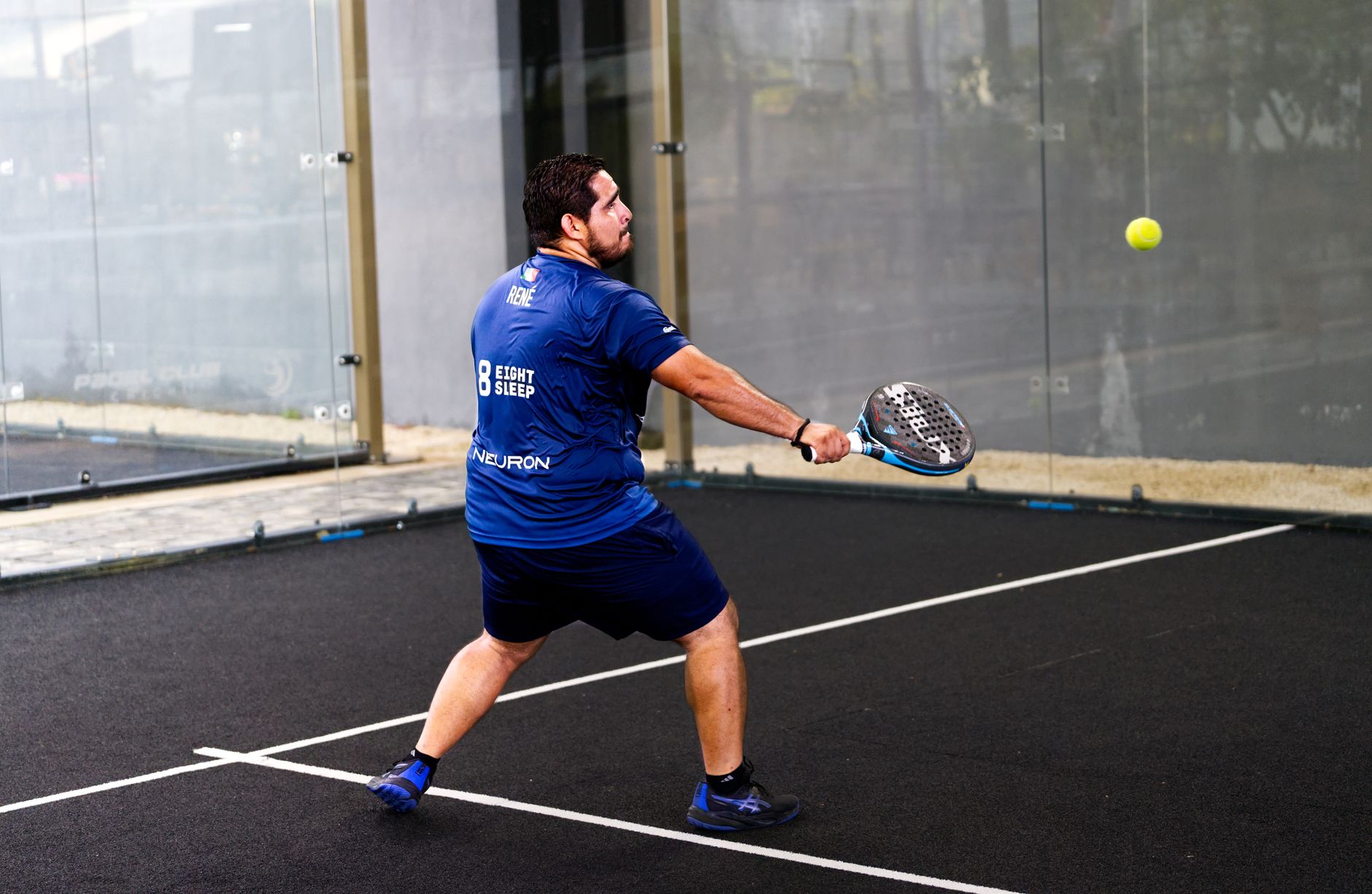
Padel Community Is Not One Personality
Not every padel player wants a mixer, a group chat or a long evening at the club. A stronger community makes room for different ways of belonging—and gives brands a more useful role.
Community · 27 October 2026
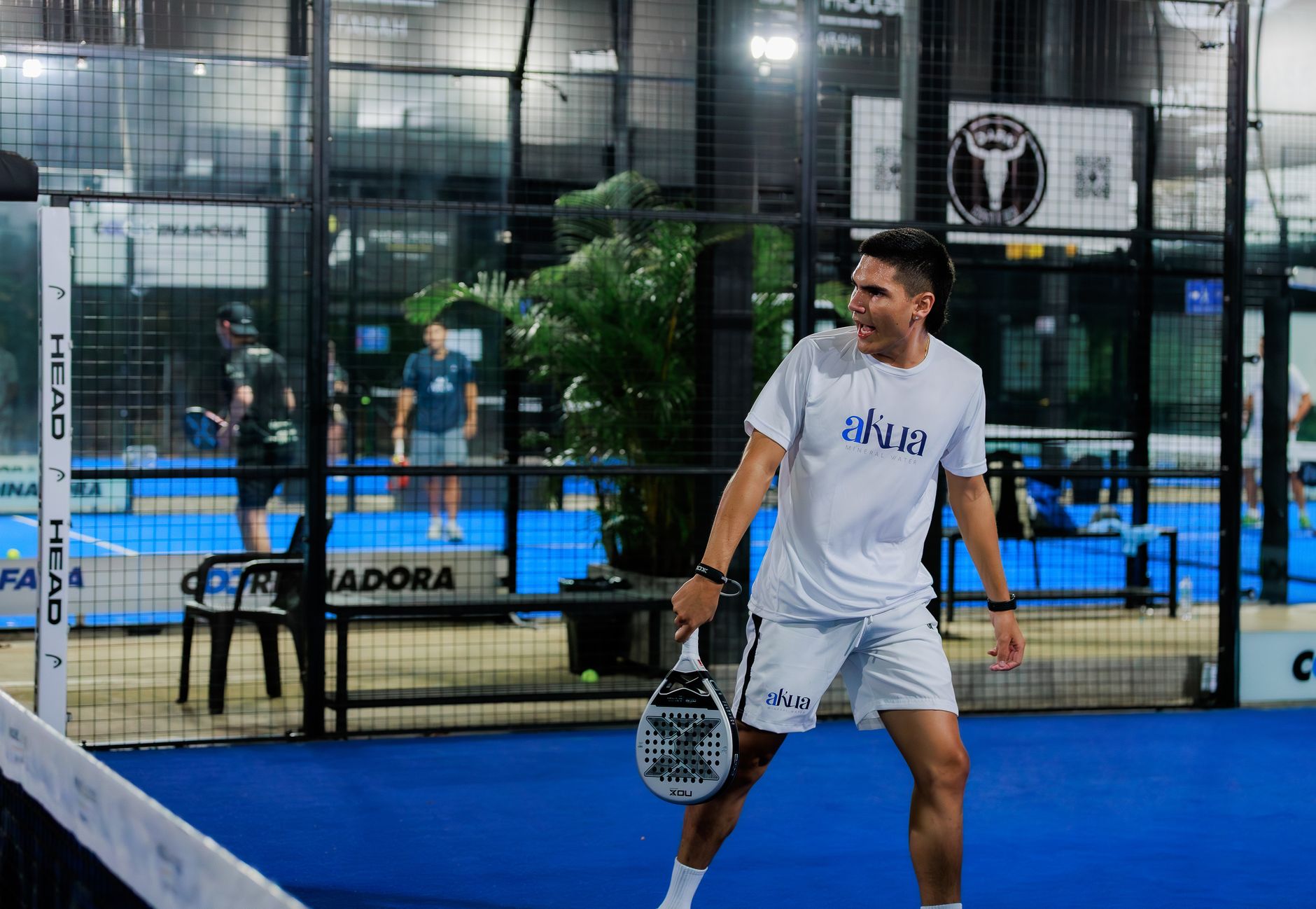
Padel Belongs in the Week
More than 40 million people play padel worldwide. For European brands, the cultural opportunity is not simply scale. It is earning a place in the routines people choose to repeat.

Community · 27 October 2026
Padel Has Players. Who Connects Them?
Britain’s latest padel participation figures make a strong headline. For clubs and brands, the more useful question is how to turn a large audience into people who can actually find a game.